••
NPA CEO Godwin Tamakloe Announces Diesel Price Relief and Infrastructure Upgrades to Shield Consumers
•2 min read•6 sources
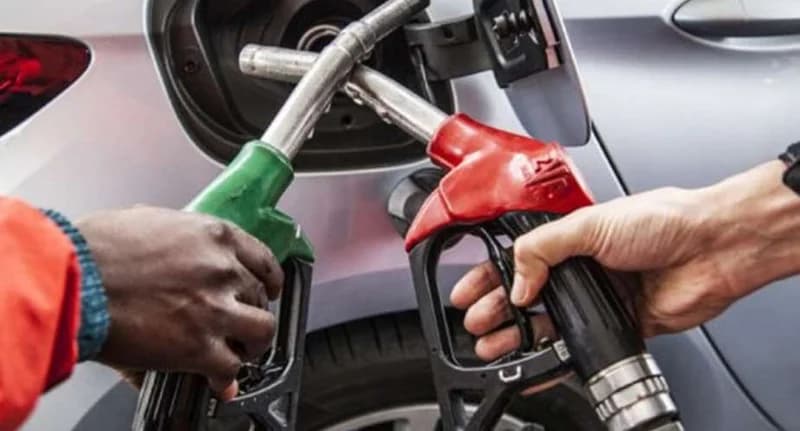
The National Petroleum Authority (NPA) and the Ghanaian government have implemented a significant intervention to stabilize fuel prices, specifically targeting diesel to keep it below GH¢20 per litre through the October and November pricing windows. This move follows an emergency meeting led by NPA CEO Godwin Edudzi Tamakloe, aimed at cushioning consumers against projected price spikes caused by rising international oil prices and currency depreciation. Central to this intervention is the temporary suspension of the GH¢1-per-litre Energy Sector Shortfall and Debt Repayment Levy (D-Levy). This suspension, combined with a reduction in statutory margins, provides a total relief of GH¢2 per litre for diesel consumers, effectively preventing prices from hitting a projected high of GH¢22 per litre. Without these measures, forecasts from the Chamber of Petroleum Consumers (COPEC) suggested diesel could have soared by nearly 23 percent, potentially reaching GH¢22.42 per litre. COPEC Executive Director Duncan Amoah noted that while petrol consumers also sought broader relief, the government's specific focus on diesel aims to mitigate wider inflationary pressures on transport costs and the prices of essential goods. The intervention strategy further relies on domestic refining capacity, with the NPA confirming that the Sentuo Oil Refinery and the Tema Oil Refinery (TOR) have agreed to maintain stable pricing for Bulk Distribution Companies (BDCs) to help anchor the domestic market. CEO Tamakloe emphasized that these collaborative efforts with industry stakeholders are crucial for maintaining domestic market stability during a period of significant global price volatility. Beyond immediate pricing concerns, the NPA is addressing long-standing structural and welfare issues within the energy and transport sectors. CEO Tamakloe recently met with the Ghana National Petroleum Tankers Drivers Union (GNPTDU) to resolve concerns regarding working conditions and infrastructure deficits that had prompted recent strike actions. Following the suspension of these strikes, the NPA has committed to advocating for the rehabilitation of the Tema Oil Refinery-Kpone Road and improvements to the Bulk Oil Storage and Transportation (BOST) yard. These infrastructure projects, coupled with the ongoing price interventions, are designed to ensure the safe, efficient, and affordable distribution of petroleum products across Ghana.