••
NPP and NDC Clash Over 24-Hour Economy Implementation as Mahama Administration Reaches Performance Milestones
•3 min read•14 sources
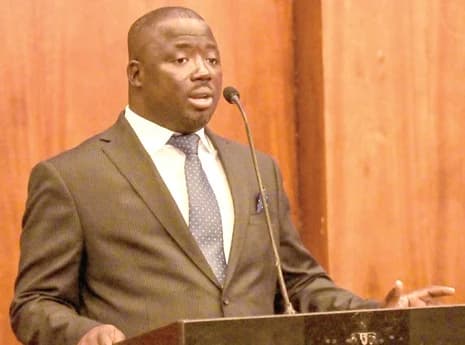
The implementation of President John Mahama's signature 24-hour economy policy has become a central flashpoint in Ghanaian politics, with the New Patriotic Party (NPP) accusing the ruling National Democratic Congress (NDC) of failing to deliver on its 2024 campaign promises. Michael Okyere Baafi, the Ranking Member on the Trade and Industry Committee, and Seidu Musah, the NPP's Oti Regional Communication Director, have both alleged that the government is using "24-hour market" projects to mask its inability to roll out the broader economic policy. They further criticized the administration for failing to provide automatic postings for newly trained teachers and nurses, arguing that the youth remain marginalized despite the government's rhetoric on job creation.
In response to these criticisms, Goosie Tanoh, the Presidential Adviser on the 24-Hour Economy, clarified that the 24-hour Markets project is distinct from the broader 24-hour Economy policy. Speaking at a media briefing, Tanoh emphasized that his secretariat has no jurisdiction over market development, which falls under the Ministry of Local Government, Chieftaincy, and Religious Affairs. He noted that the secretariat has even faced legal challenges regarding demolitions at market sites, despite having no involvement in those decisions. Meanwhile, within the NDC, Tetteh Laryea Cyril of the Youth Employment Agency scored the Mahama administration's performance at 85%, citing significant progress in education, energy, and youth programs in less than two years since the January 2025 inauguration.
Internal party dynamics are also coming to the fore as both major parties look toward the 2028 elections. NDC Deputy General Secretary Mustapha Gbande has warned party members against "jealousy and internal sabotage," suggesting that some individuals are attempting to undermine colleagues who have seen success since the party regained power. Gbande also dismissed the NPP's credibility for the 2028 cycle, arguing that the opposition has yet to take responsibility for past economic mismanagement. This political sparring comes amid efforts by the NDC to consolidate its base and project a unified front as they attempt to rectify the economic challenges inherited from the previous administration.
Beyond the partisan divide, governance and institutional reforms continue to move forward. In Cape Coast, Metropolitan Chief Executive George Justice Arthur announced an ambitious eight-year development plan, including the redevelopment of the Metro Hospital and the establishment of a Black Museum to boost tourism. Simultaneously, the Ghana Police Service under IGP Christian Tetteh Yohuno has promoted over 13,000 officers in a move to boost morale and recognize bravery. In the media sphere, veteran journalist Kwesi Pratt Jnr cautioned against the erosion of professional standards, criticizing television stations for using social media followings as a primary metric for recruitment, while MP John Dumelo addressed public misconceptions by stating there is no significant financial gain in being a Member of Parliament.
As the Mahama administration nears the end of its second year, the political landscape is defined by a sharp contrast between the government's reported successes and the opposition's rigorous scrutiny of its flagship policies. The ability of the NDC to successfully decouple the 24-hour economy policy from localized market disputes, while maintaining internal unity, will likely determine the political narrative heading into the next election cycle. For now, the government remains focused on its structural reforms and infrastructure projects, even as the NPP remains vocal about perceived gaps in the administration's delivery on its electoral mandates.
Related topic
NDC (National Democratic Congress): Latest News →

