••
National Youth Authority and IMANI Ghana Spearhead Leadership and Economic Innovation Programs for Youth
•3 min read•5 sources
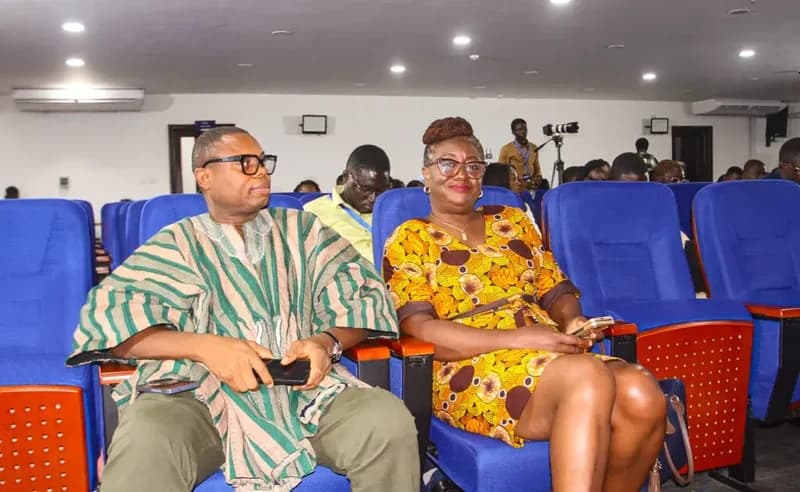
In a concerted effort to shape the future of Ghana’s leadership and economic landscape, several high-profile initiatives have recently focused on empowering the nation's youth with skills in governance, innovation, and civic responsibility. The National Youth Authority (NYA), in collaboration with the Parliament of Ghana, held its inaugural National Youth Parliament mock sitting in October 2026, while the IMANI Centre for Policy and Education partnered with the University of Professional Studies, Accra (UPSA) to host the 2026 Students and Young Professionals African Liberty Academy (SYPALA). These events underscore a growing national commitment to integrating young people—who comprise nearly 60% of the population—into the country's decision-making frameworks and long-term development strategies.
During the maiden National Youth Parliament sitting at the Justice D.F. Annan Auditorium, young participants engaged in robust debates on critical issues, including digital freedom, affirmative action in higher education, and the economic toll of abandoned government projects. NYA CEO Osman Ayariga and the Minister for Youth Development and Empowerment, George Opare-Addo, emphasized that the platform is designed to foster a culture of active democracy and professional leadership. However, the leaders also issued stern warnings regarding personal conduct. Minister Opare-Addo cautioned students against allowing violence, drug abuse, and criminal behavior to derail their potential, while Mr. Ayariga specifically urged youth to avoid sharing intimate digital content, noting that such lapses in judgment could resurface to damage future reputations and public service opportunities.
Shifting the focus to economic transformation, economist Professor Godfred Bokpin addressed participants at the SYPALA 2026 conference, arguing that Ghana must move away from its historical dependence on natural resources. Speaking on the theme of economic freedom and development, Professor Bokpin advocated for an "idea-driven" economy centered on innovation and digitization. He warned that relying solely on raw materials leads to environmental degradation and unsustainable growth, stressing that the country’s demographic dividend—with 58% of citizens under the age of 30—can only be realized if the youth prioritize critical thinking and intellectual development over partisan political affiliations.
The SYPALA conference, which concluded its four-day program in late August 2026, also delved into the necessity of strong, accountable institutions and the role of civil society in maintaining a stable democracy. Experts and policy thinkers at the event encouraged young professionals to critically assess Africa's development challenges and advocate for sustainable funding models and the rule of law. By bridging the gap between theoretical governance and practical leadership through these diverse forums, stakeholders aim to ensure that the next generation of Ghanaians is not only prepared for the workforce but is also equipped to lead the nation toward a more resilient and innovative future.
