••
62nd Oguaa Fetu Afahye: Ga Mantse and Omanhen Call for African Progress Amidst Vibrant Cultural Celebrations
•2 min read•2 sources
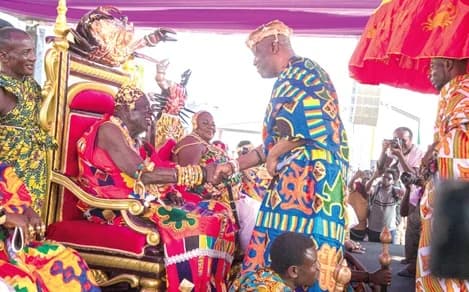
The 62nd Oguaa Fetu Afahye festival reached its pinnacle in Cape Coast, serving as a powerful symbol of Ghanaian cultural convergence and a platform for regional development. Under the theme "From Memory to Momentum: The Black Star Rising," the celebrations brought together the traditional identities of the Oguaa, Ga, and Gonja peoples. The event, which took place from September 3 to 7, 2026, highlighted not only the rich heritage of the Central Region but also a unified vision for the future of the African continent through a synthesis of tradition and modern aspirations.
The festival was marked by a series of high-profile events, most notably the "Orange Friday" phenomenon where the city of Cape Coast was transformed by a sea of residents and visitors dressed in orange. This cultural expression led into a Grand Durbar characterized by traditional music, the firing of muskets by various Asafo companies, and a grand procession. A significant highlight was the historic entry of the Ga Mantse, King Tackie Teiko Tsuru, whose presence alongside the Omanhen of Oguaa, Osabarimba Kwesi Atta II, underscored the deep-seated bonds between Ghana’s diverse ethnic groups and the collective pride of the Ga and Fante states.
Beyond the spectacle, the festival’s leadership used the platform to advocate for substantial investments in human development. Traditional rulers, including King Tackie Teiko Tsuru and Osabarimba Kwesi Atta II, urged a focus on education, healthcare, and technology to secure Africa's future. They emphasized that the lessons of history must be harnessed to drive modern momentum, calling for unity across the continent to address contemporary challenges. The chiefs stressed that cultural preservation must go hand-in-hand with progress in essential services and human capital to ensure the "Black Star" continues to rise.
Economically, the Fetu Afahye was portrayed as a vital asset for Cape Coast, with bustling local businesses benefiting from the influx of tourists and the vibrant commercial atmosphere. Observers and participants alike highlighted the need to maintain the festival's cultural integrity while recognizing and leveraging its immense commercial potential. As the 2026 celebrations concluded, the prevailing sentiment was one of renewal—a call to translate cultural pride into tangible socioeconomic growth and regional cooperation for the nation at large.