••
Oppong Nkrumah Demands Transparency Over $1.7 Billion Gold Purchase Losses as Government Defends Strategy
•3 min read•4 sources
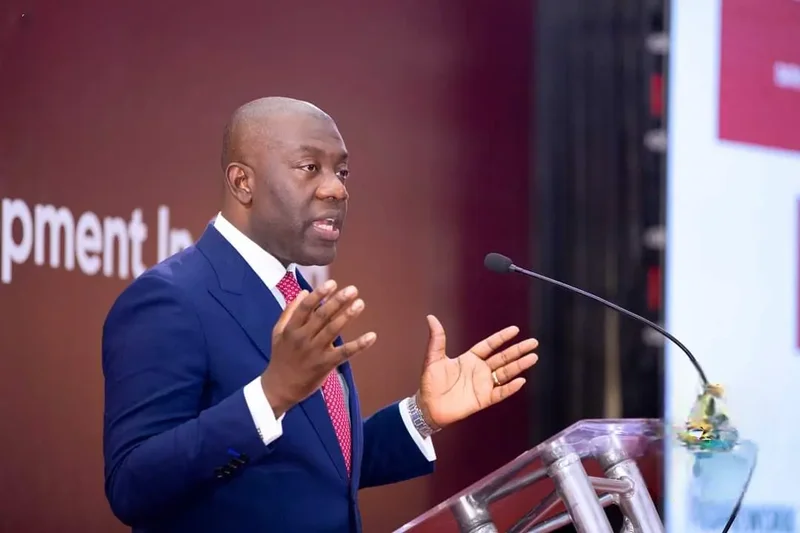
A sharp political divide has emerged in Ghana’s Parliament following an International Monetary Fund (IMF) report revealing that the Bank of Ghana’s Domestic Gold Purchase Programme (DGPP) incurred losses exceeding $1.7 billion in 2025. Kojo Oppong Nkrumah, the Ranking Member on Parliament’s Economy Committee, has formally called for full disclosure regarding the monetary financing of the scheme, which represents approximately 1.5% of the nation’s Gross Domestic Product (GDP). While the programme was designed to bolster foreign exchange reserves, the scale of the financial deficit has sparked intense debate over the transparency of the central bank's liquidity measures and the potential long-term burden on Ghanaian taxpayers.
Representing the opposition New Patriotic Party (NPP) perspective, Mr. Oppong Nkrumah emphasized that while the accumulation of gold reserves is a valid economic objective, the lack of transparency surrounding the total funds injected into the programme is deeply concerning. Speaking on the matter, he urged the Bank of Ghana to reveal the full extent of the financing arrangements to allow for a thorough assessment of the programme's impact on the wider economy. The Minority Caucus has signaled its intention to maintain rigorous scrutiny of the data, questioning whether the deferred costs of these losses will eventually lead to significant fiscal challenges for the current administration.
Conversely, Attah Issah, the Member of Parliament for Sagnarigu, has mounted a robust defense of the DGPP, characterizing the financial losses as a "necessary sacrifice" for broader macroeconomic stability. Mr. Issah argued that the programme has played a pivotal role in restoring Ghana’s economic health, pointing to the dramatic reduction in inflation—which plummeted from a high of 54% to approximately 5%—and the subsequent stabilization of the cedi. He maintained that the government was aware of the fiscal costs associated with stabilization from the outset and argued that the benefits of curbing gold smuggling and rebuilding foreign reserves far outweigh the reported financial losses.
Adding a technical perspective to the debate, Ken Ashigbey, CEO of the Ghana Chamber of Mines, has called for the Ghana Gold Board to significantly enhance its traceability systems. Mr. Ashigbey noted that for the DGPP to be truly effective and sustainable, the state must ensure that gold entering the formal market is not sourced from illegal mining operations. He advocated for increased resources for the Ministry of Lands and Natural Resources to combat 'galamsey' and suggested that stronger enforcement against illegal actors is essential to protect the integrity of the formal gold industry and the environment.
As the government under President John Mahama continues its efforts toward economic recovery, the controversy over the DGPP highlights the ongoing tension between immediate stabilization tactics and long-term fiscal transparency. The debate is expected to intensify in the coming weeks as Parliament reviews the Bank of Ghana's financial reporting. Moving forward, the focus will likely remain on whether the executive can justify the multi-billion dollar cost of the gold programme to a public concerned about the transparency of state-led economic interventions.
Related topic
NPP (New Patriotic Party): Latest News →Live rates
Ghana gold price →

