••
Parliamentary Committee Urges Dedicated Sanitation Fund Following Oti Region Assessment
•2 min read•4 sources
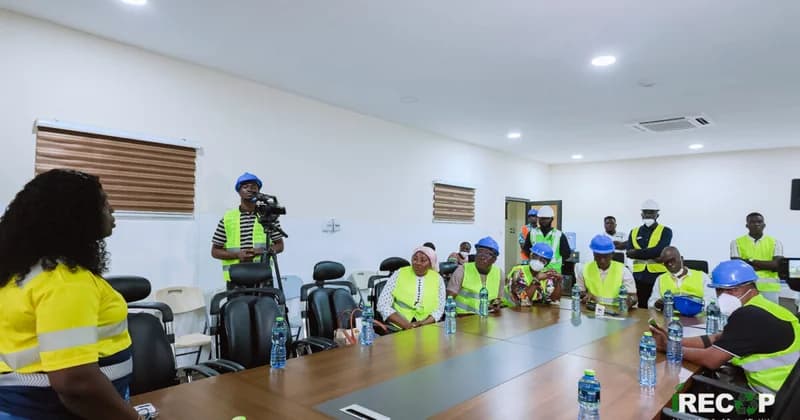
The Parliamentary Select Committee on Sanitation and Water Resources has concluded a three-day assessment tour of the Volta and Oti Regions, calling for a significant overhaul of how sanitation is funded in Ghana. Led by Chairman John Oti Bless, the committee asserted that the current 10% allocation from the District Assemblies Common Fund (DACF) is insufficient to address the mounting sanitation challenges faced by local authorities. While acknowledging progress in infrastructure such as institutional toilets and drainage works, the committee advocated for a dedicated, sustainable sanitation financing mechanism to enhance the impact of government interventions across the country.
During the tour, the committee expressed high satisfaction with the progress of Zoomlion Ghana Limited’s Integrated Recycling and Compost Plant (IRECOP) in Yabram, Dambai. Krachi East Municipal Chief Executive (MCE) Safo Nketiah lauded the facility for providing critical waste management solutions and producing affordable organic fertilizers for local farmers. Mr. Nketiah emphasized that private-sector partnerships are vital, especially as municipal assemblies struggle with limited resources for National Sanitation Day activities and general waste collection. He noted that Zoomlion's Corporate Social Responsibility initiatives have often filled the gap where public funding has fallen short.
However, the assessment also brought several systemic failures to light. The committee raised concerns regarding the Nkwanta North District Assembly’s management of its sanitation allocation and demanded further clarification on its expenditures. Across multiple districts, Metropolitan, Municipal, and District Chief Executives (MMDCEs) reported a dire lack of skip containers, insufficient refuse equipment, and low incentives for sanitation workers. Chairman Oti Bless urged MMDAs to implement and enforce strict bye-laws to curb illegal waste disposal, citing Rwanda’s success with regulatory compliance as a model for Ghana to emulate.
In its final observations, the committee highlighted that while the Volta Region remains notably clean, the long-term success of national sanitation goals depends on timely and increased funding. The findings from this engagement will be compiled into a formal report with recommendations for Parliament to ensure more efficient use of public resources. The committee plans to continue its monitoring efforts across other regions to hold local assemblies accountable and ensure that sanitation services are improved for all citizens under the current administration's development agenda.