••
Public Accounts Committee directs UGMC to fix procurement infractions
•2 min read•1 source
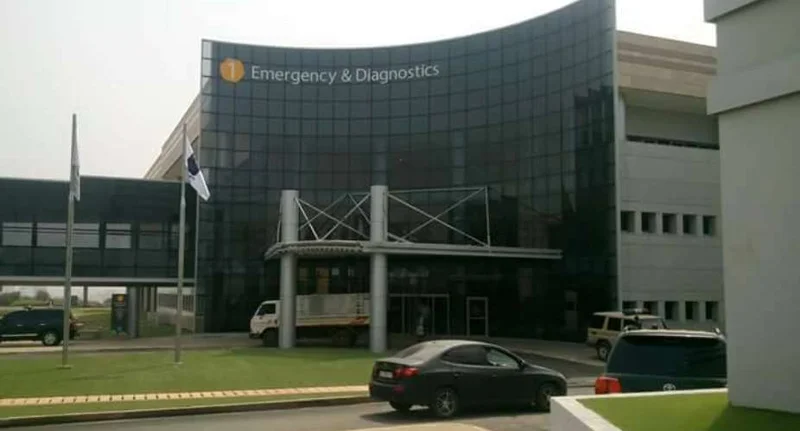
The Public Accounts Committee (PAC) has ordered the management of the University of Ghana Medical Centre (UGMC) to immediately resolve procurement irregularities identified in the 2025 Auditor-General’s Report. During a committee session held on October 13, 2026, PAC Chairperson Abena Osei-Asare expressed concern over the multiple infractions cited in the report, which suggest a failure to adhere to established public procurement protocols. The directive is part of the committee's broader mandate to ensure that state institutions remain transparent and accountable in their financial dealings.
To address these systemic issues, Osei-Asare urged the UGMC management to fully adopt the Ghana Electronic Procurement System (GHANEPS). She emphasized that transitioning to this digital platform is essential for ensuring compliance with national regulations and minimizing the risk of future irregularities. The committee noted that the current procurement lapses at the medical facility require urgent administrative intervention to prevent the mismanagement of public funds and resources.
In addition to the financial concerns, the PAC chairperson pointed to a notable decline in service standards at the medical centre. Osei-Asare called upon the Chief Executive Officer of the UGMC to implement enhanced quality healthcare protocols to restore the facility's reputation. She highlighted that patients must receive care that is commensurate with the costs they incur, stressing that the facility's management has a responsibility to maintain high-tier service delivery as one of the country's leading medical institutions.
The committee's findings underscore the importance of aligning medical administration with both financial laws and patient care expectations. Moving forward, the UGMC management is expected to provide updates on their progress in resolving the 2025 infractions and improving operational efficiency. The PAC's intervention serves as a reminder to all state-owned enterprises that procurement transparency and service quality are under strict parliamentary oversight.