••
Parliamentary Select Committee Backs National Sanitation Fund After Reviewing DACF Spending in Volta and Oti Regions
•2 min read•2 sources
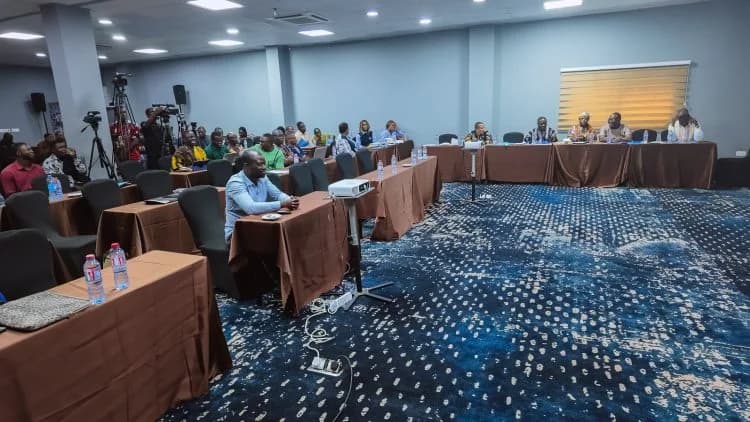
The Parliamentary Select Committee on Sanitation and Water Resources has conducted a comprehensive two-day accountability engagement to assess the utilization of the 10% District Assemblies Common Fund (DACF) allocation dedicated to sanitation and waste management. Covering 27 Metropolitan, Municipal, and District Assemblies (MMDAs) across the Volta and Oti Regions, the committee reviewed the effectiveness of statutory allocations for the 2025 and 2026 cycles. The assessment sought to ensure that public funds are translating into tangible community benefits, such as improved public health and environmental cleanliness.
During the review, the committee highlighted several success stories, including the construction of institutional toilets, boreholes, and drainage systems that have significantly enhanced local water coverage. In the Oti Region, eight out of nine districts were commended for their progress and proactive community involvement in maintaining sanitation facilities. Municipal leaders, including Krachi East’s Sarfo Nketia and Kadjebi’s Dr. Sam Suraj Isaka, noted that while population pressures continue to strain existing infrastructure, local initiatives and effective fund utilization have provided a critical buffer against sanitation crises.
Despite the overall positive outlook, the committee identified specific accountability gaps, most notably regarding the Nkwanta North District Assembly. The assembly’s financial presentation was flagged for needing urgent clarification, prompting the committee to demand more accurate financial reporting. Committee member Ibrahimah Mohammed Zuwera emphasized that while the 10% DACF allocation has facilitated significant interventions, MMDAs must prioritize transparency and ensure that every cedi spent directly addresses the needs of the populace. The committee noted that some districts struggled with resource limitations that hampered their ability to meet growing demand for waste management services.
To address these structural challenges, the Select Committee is advocating for the establishment of a dedicated national sanitation fund. Members argued that a more sustainable and targeted financing model would provide MMDAs with the consistent resources needed for long-term waste management planning. Moving forward, the committee plans to compile its findings and recommendations from the Volta and Oti engagements to inform national policy. This initiative marks a broader effort by Parliament to deepen its oversight of local government spending and ensure that sanitation remains a top priority in Ghana’s development agenda.
Live rates
Dollar to cedi rate →