••
Pat Thomas Celebrates 80th Birthday Amidst Global Milestones and Structural Debates in Ghana's Creative Sector
•2 min read•3 sources
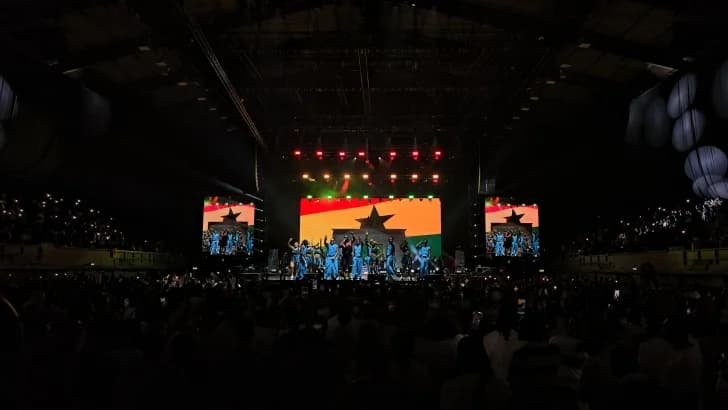
Ghana's entertainment landscape is witnessing a significant convergence of heritage and modern achievement as Highlife legend Pat Thomas, popularly known as the "Golden Voice of Africa," celebrates his 80th birthday. Reflecting on a career that has spanned decades, Thomas expressed profound gratitude to his fans and industry peers, describing them as the "wind beneath his wings." The veteran musician underscored Highlife music as a vital pillar of Ghana’s cultural identity and a source of connection across generations, pledging to continue his musical journey and mentorship as he enters this new chapter of his life.
While the industry celebrates its veterans, it is also making major strides on the international stage, exemplified by Stonebwoy's successful BHIM Festival at the OVO Arena Wembley in London. This event served as more than just a performance; it was a showcase of Ghanaian technical expertise. Led by production professional Nana Kwame Adu-Gyamfi, a team of Ghanaian engineers and technicians collaborated with UK counterparts to manage the complex stage, lighting, and sound requirements. Adu-Gyamfi emphasized that such international collaborations are essential for enhancing Ghana’s global visibility and creating sustainable careers for the behind-the-scenes professionals who support the nation's biggest stars.
Despite these individual and technical successes, critical questions remain regarding the long-term sustainability of Ghana's entertainment ecosystem. There is an ongoing debate about whether the country is merely producing celebrities or building a robust industry. While the government has pledged GH₵20 million for film and an additional GH₵20 million for the broader creative arts sector, industry analysts warn that funding must be directed toward comprehensive infrastructure and transparent distribution systems. Without a focus on management, rights distribution, and event safety standards, there is a risk that these investments may only yield short-lived events rather than a professionalized economy.
As the sector moves forward, the consensus among stakeholders is that talent alone is insufficient. The transformation of the creative arts into a profitable and sustainable industry requires a shift from celebrating individual success stories to establishing a network that supports all players, from legendary figures like Pat Thomas to the technical engineers at Wembley. By merging local expertise with international standards and ensuring disciplined investment in infrastructure, Ghana aims to solidify its position as a global leader in the creative arts, ensuring that the next generation of talent has a professional environment in which to thrive.
Related topic
Stonebwoy: Latest News & Updates →