••
PharmaVax Ghana Awards ‐2m for Medical Research as Global Cancer Vaccine Breakthroughs Show Promise
•2 min read•2 sources
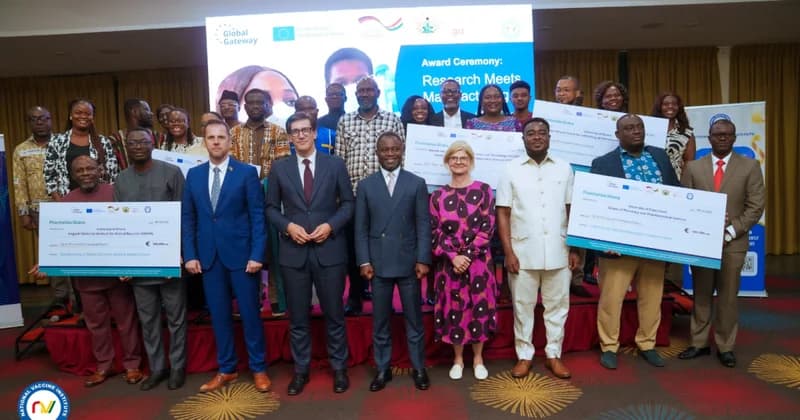
The landscape of medical research in Ghana and abroad is witnessing a significant transformation, marked by multi-million euro investments in local drug development and groundbreaking results in personalized cancer therapy. In Accra, the PharmaVax Ghana programme recently awarded ‐2 million in grants to eight research partnerships aimed at developing new vaccines and medicines for the local market. This surge in domestic research capacity coincides with international reports of a major breakthrough in skin cancer treatment, where a new mRNA vaccine has successfully prevented the recurrence of high-risk melanoma in clinical trials.
The ‐2 million grant initiative, co-hosted by Ghana’s National Vaccine Institute and the German development agency GIZ, focuses on translating scientific discoveries into tangible health products. With additional contributions of ‐425,000 from Ghanaian partners, the projects will tackle critical health challenges including malaria treatments and the use of artificial intelligence for antibody discovery. Funded by the European Union and the German Federal Ministry for Economic Cooperation and Development, the initiative aims to provide both financial support and networking opportunities to ensure the commercialization of these health innovations within Ghana.
On the global stage, the medical community is hailing a new personalized vaccine, Intismeran, developed by Merck and Moderna. In a study involving over 1,000 patients, the vaccine—when administered alongside the immunotherapy drug Keytruda—significantly extended cancer-free periods for those recovering from high-risk melanoma surgery. Utilizing mRNA technology similar to that used in COVID-19 vaccines, Intismeran is tailored to the specific genetic makeup of a patient’s tumor, representing a major leap forward in personalized medicine. While experts urge caution until full results undergo peer review, the trial’s success underscores the potential of targeted therapies to change the trajectory of cancer care.
These parallel developments reflect a growing momentum towards specialized and localized healthcare solutions. For Ghana, the empowerment of the National Vaccine Institute under the current administration of President John Mahama signals a strategic shift toward pharmaceutical self-reliance and the ability to address endemic diseases through home-grown research. As global innovations like the melanoma vaccine move toward regulatory approval, the strengthening of Ghana’s own research infrastructure ensures the nation is well-positioned to both contribute to and benefit from the next generation of life-saving medical technologies.
Related topic
John Mahama: Latest News & Updates →Live rates
Euro to cedi rate →