••
Pope Leo and UN Alarm as Attacks on Healthcare Workers Worsen DRC Ebola Crisis
•2 min read•2 sources
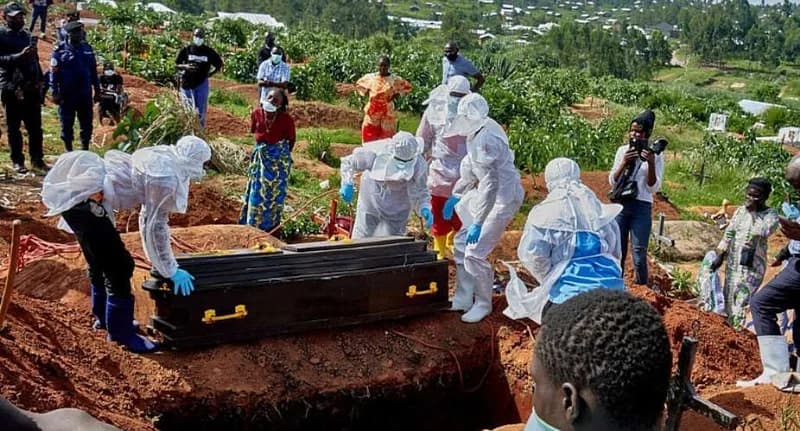
The Democratic Republic of Congo (DRC) is currently grappling with its most severe Ebola epidemic to date, prompting urgent calls for international intervention. With the death toll reaching 2,606 out of 5,458 confirmed cases, Pope Leo has appealed to the global community to support local efforts in mitigating the crisis. This 17th outbreak in the nation’s history has now eclipsed the previous record set between 2018 and 2020, signaling a humanitarian emergency that requires immediate and coordinated action to prevent further loss of life.
The response effort is being severely undermined by a surge in violence targeting those on the front lines. According to United Nations Ebola coordinator Julien Harneis, more than 260 healthcare workers have been attacked in the last six months alone, resulting in eight fatalities. These attacks have targeted ambulances and healthcare facilities, driven by fear and deep-seated mistrust within local communities. The Red Cross has also reported multiple incidents against its volunteers, complicating the logistics of reaching affected areas and providing life-saving care.
Beyond physical violence, misinformation and regional conflict are exacerbating the spread of the virus. False narratives surrounding the outbreak have led to resistance against medical intervention, while ongoing humanitarian needs and financial disruptions have made it difficult to pay healthcare workers on the ground. The human cost to the medical community is staggering: approximately 160 healthcare workers have contracted Ebola themselves, with 43 of them succumbing to the disease. These factors combined have created a perfect storm, hindering the ability of health agencies to contain the virus effectively.
As the international community weighs its response, the situation in the DRC serves as a stark reminder of the intersection between public health and regional stability. Pope Leo, speaking during a Sunday prayer in Saint Peter’s Square, emphasized that local efforts must be bolstered by international cooperation to address the scale of the epidemic. Without a resolution to the security challenges and a concerted effort to combat misinformation, the DRC faces an uphill battle in ending what has become a historic and devastating public health crisis.
