••
Puma Energy Ghana Bolsters LPG Access Through Local Partnerships and Multi-Million Dollar Investment
•2 min read•2 sources
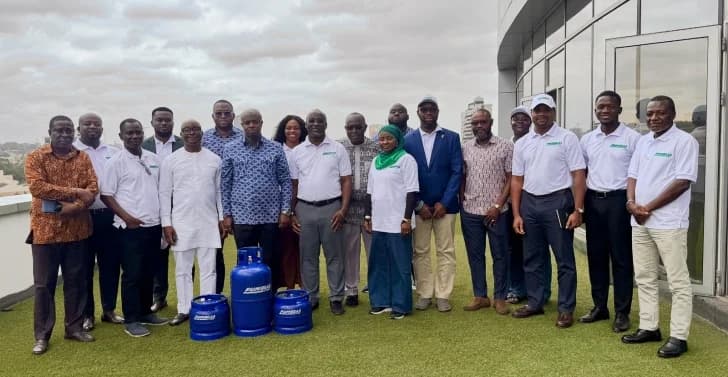
Puma Energy Ghana has launched a significant strategic expansion into the country’s Liquefied Petroleum Gas (LPG) sector, signing partnership agreements with five local distributors to accelerate the adoption of the Cylinder Recirculation Model (CRM). This initiative aligns with the government's ambitious goal of achieving 50% LPG penetration across Ghana by 2030. By decentralizing the retail network, the collaboration aims to provide cleaner cooking solutions and improve public health outcomes by making LPG more accessible to households that currently rely on traditional solid fuels.
As part of a multi-million-dollar investment strategy, Puma Energy plans to significantly expand its infrastructure, with a target of introducing over 40,000 new branded cylinders into the market by September 2026. The CRM framework is central to this rollout, allowing consumers to exchange empty cylinders for filled ones at no additional cost for the container, thereby removing the high financial entry barrier of cylinder ownership. The company expects this expansion to eventually serve approximately 30,000 local communities, leveraging the expertise of fully Ghanaian-owned enterprises to enhance energy security and stimulate local economic growth.
The National Petroleum Authority (NPA) has expressed strong support for these developments, emphasizing the importance of private sector investment in achieving national energy targets. During a recent meeting with a Puma Energy delegation, NPA Chief Executive Mr. Godwin Kudzo Tameklo reaffirmed the regulator's commitment to providing an efficient, transparent, and fair regulatory environment. Mr. Tameklo highlighted the necessity of building trust between the industry and the regulator to facilitate a stable market that encourages the kind of long-term capital commitments required for the CRM's success.
This partnership represents a critical step in Ghana's transition toward sustainable energy and modernized infrastructure. By focusing on safety and reliability, the collaboration between Puma Energy and local distributors aims to professionalize the LPG value chain while protecting consumers. As the CRM continues to gain momentum, the combined efforts of the private sector and the NPA are expected to transform the domestic energy landscape, reducing the environmental impact of charcoal and wood fuel while creating new employment opportunities within the local distribution network.
Live rates
Dollar to cedi rate →
