••
Redwan Hussein visits Mekelle capital of the Tigray region
•2 min read•1 source
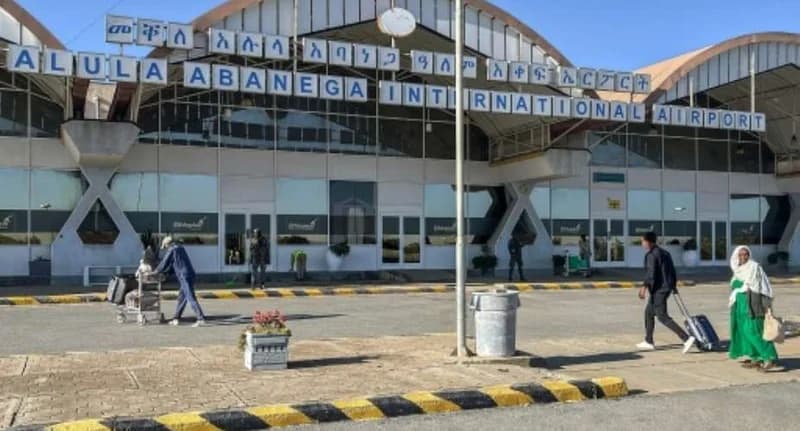
Ethiopia’s intelligence chief, Redwan Hussein, and federal minister Getachew Reda have visited Mekelle, the capital of the Tigray region, marking a significant moment as commercial flights to the area resumed. The resumption follows a two-week suspension triggered by renewed fighting in the northern region, which had once again severed vital transport links. The arrival of the first flight was met with relief by residents who have been navigating the consequences of reignited hostilities between federal forces and the Tigray People’s Liberation Front (TPLF). The security situation in Tigray remains volatile, with the visit occurring against a backdrop of reported drone strikes and a persistent telecommunications blackout in several areas. Just last month, the TPLF briefly regained control of the Mekelle airport, but the facility was subsequently retaken by Ethiopian federal troops. This see-sawing control of strategic infrastructure underscores the fragility of the peace process and the intensity of the recent clashes that led to the grounding of commercial aviation. Adding to the complexity of the internal conflict are rising tensions involving neighboring Eritrea. Reports suggest concerns that Eritrea may be providing support to TPLF forces, a development that threatens to escalate the local conflict into a broader regional crisis. Ethiopia and Eritrea share a long and contentious history, including a brutal border war in the late 1990s and early 2000s, and their shifting alliances continue to shape the stability of the Horn of Africa. While the resumption of flights provides a necessary humanitarian and economic lifeline for the people of Tigray, the underlying political and military grievances remain unresolved. The presence of high-ranking federal officials like Redwan Hussein and Getachew Reda in Mekelle suggests an effort to stabilize the region, yet the ongoing communication barriers and military activity indicate that the path to lasting peace remains fraught with challenges.
