••
Kwaku George Ricketts-Hagan Assumes Leadership of Ghana’s ECOWAS Delegation as Regional Leaders Push for Democratic and Climate Reforms
•3 min read•8 sources
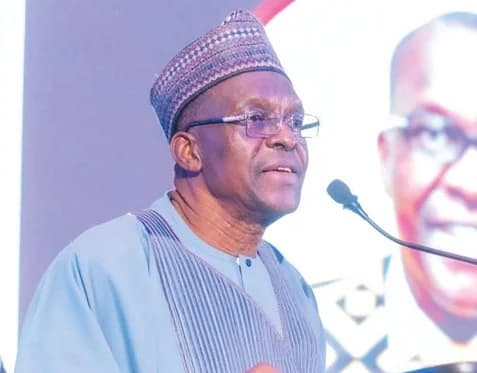
In a significant transition for West African diplomacy, Alexander Afenyo-Markin has officially handed over the leadership of Ghana’s delegation to the ECOWAS Parliament to Deputy Majority Leader Kwaku George Ricketts-Hagan. The handover occurred on September 23, 2026, during the Second Extraordinary Session of the ECOWAS Parliament in Accra. Afenyo-Markin, who remains the Third Deputy Speaker of the regional body, expressed full confidence in Ricketts-Hagan’s ability to advance Ghana’s interests and foster deeper regional integration. This leadership change coincides with a growing push for institutional reform, spearheaded by Speaker of Parliament Alban Bagbin, who has called for the direct election of ECOWAS Parliament members to enhance democratic legitimacy and ensure that citizens' concerns are directly addressed by their representatives.
Parallel to these political shifts, the ECOWAS Parliament has intensified its focus on the burgeoning environmental crisis. At a three-day seminar in Accra, Speaker Hadja Mémounatou Ibrahima and other regional legislators underscored the urgent need for a Regional Climate Resilience Fund to combat droughts, floods, and the humanitarian impacts of climate change. The seminar emphasized the necessity of early-warning systems and agroforestry, while Speaker Bagbin highlighted the destructive role of illegal mining (galamsey) in environmental degradation. These discussions aim to align regional policies with ECOWAS Vision 2050, fostering a coordinated response to secure livelihoods and promote renewable energy across member states.
Security remains a critical pillar of the regional agenda, with Ghana deepening its international partnerships to combat evolving threats. The Minister for Defence, Kenneth Gilbert Adjei, has called for expanded European Union support to modernize the Ghana Armed Forces, focusing on maritime surveillance and technology transfer. Similarly, the Ghana Navy is strengthening ties with Italy to secure the Gulf of Guinea, emphasizing joint naval exercises and the upgrading of hydrographic units. On the economic front, the Inter-governmental Action Group Against Money Laundering in West Africa (GIABA) has stepped up efforts to train law enforcement and media professionals in identifying shifting patterns of financial crime and drug trafficking, which continue to challenge regional stability.
These multifaceted efforts are complemented by ongoing humanitarian and border management initiatives. On September 24, 2026, the Government of Ghana, in collaboration with the International Organisation for Migration and ECOWAS, successfully repatriated 180 Ghanaian nationals from Libya, providing them with resources for skills development and reintegration. Furthermore, Ghana and Côte d’Ivoire have completed Phase 1 of a Joint Land Boundary Reaffirmation Exercise, commissioning 37 new international boundary pillars to promote peaceful coexistence and trade. Collectively, these developments reflect a comprehensive regional strategy to balance political reform, environmental resilience, and heightened security across West Africa.
