••
Eastern Regional Minister Commissions 22-Seater Boat to Expand NHIS Access for Afram Plains Island Communities
•2 min read•1 source
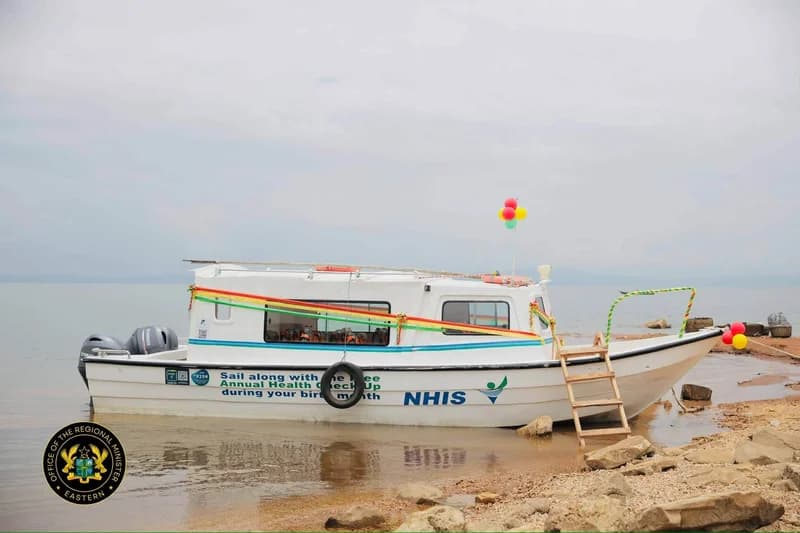
The Eastern Regional Minister, Rita Akosua Adjei Awatey, has officially commissioned a 22-seater fiber boat to bridge the healthcare gap for remote island communities in the Kwahu Afram Plains North District. The vessel is specifically designated to enhance the delivery of National Health Insurance Scheme (NHIS) services, ensuring that residents in hard-to-reach areas can access essential health coverage. This intervention addresses long-standing transportation hurdles that have previously hindered NHIS officials from effectively reaching vulnerable populations living across the lake.
The commissioning ceremony, which took place in Zikpo Nyuinyui, marks a significant step in the government's strategy to achieve universal health coverage in riverine areas. The new boat will facilitate regular visits by NHIS personnel to Dwarf Island, Digya Island, and Dodi Island—territories where geographic isolation has historically limited enrollment and renewal of health insurance. By providing a reliable and safe means of water transport, the regional administration aims to eliminate the logistical barriers that have long marginalized these islanders from the national health framework.
This initiative is a core component of the broader commitment by the President John Mahama-led administration to expand healthcare infrastructure and support the ongoing Free Primary Healthcare program. The provision of the vessel underscores a policy shift toward localized, practical solutions for communities facing unique geographic challenges. During the inauguration, Minister Adjei Awatey emphasized that the government remains dedicated to ensuring that no Ghanaian is denied health services due to their location, highlighting that the boat will serve as a vital tool for health education and registration exercises.
Looking ahead, the introduction of the fiber boat is expected to significantly increase the number of active NHIS subscribers in the Eastern Region's island districts. Health authorities anticipate that this improved mobility will allow for more frequent mobile registration clinics and more efficient outreach programs. As the government continues to prioritize accessible healthcare, the success of this intervention in the Afram Plains may serve as a blueprint for other districts bordering the Volta Lake that face similar accessibility constraints.
Related topic
John Mahama: Latest News & Updates →