••
Tragedy in Rustenburg: 14 Miners Killed After Wall Collapse at South African Disused Mine
•2 min read•1 source
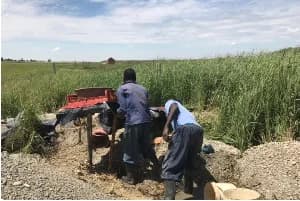
On August 13, a devastating wall collapse at a disused mining site near Rustenburg, South Africa, claimed the lives of at least 14 miners. The incident occurred near Nkaneng, an informal settlement in the North West province, a region known for its vast mineral wealth. The victims, many of whom were reportedly undocumented migrants working under perilous conditions, were buried when a massive wall of soil gave way without warning. This tragedy highlights the lethal risks inherent in the country’s burgeoning underground mining economy, where safety protocols are often non-existent. The disaster has once again brought the dangers of informal mining into sharp focus. Lerothodi Nale, a migrant from Lesotho who narrowly escaped the collapse, provided a harrowing account of the disaster. He described how the earth suddenly "swallowed a dozen" of his colleagues in an instant, leaving no room for escape or rescue. This incident is part of a larger, systemic issue in South Africa, where the lure of chrome riches often drives vulnerable workers into unregulated and highly unstable disused mines to seek a livelihood. These informal operations often involve miners who navigate abandoned shafts and open pits without the safety protocols or structural support required in formal industrial mining. Because many of these workers are undocumented migrants, their deaths can be difficult to document, complicating efforts to provide support to their families or hold parties accountable. The proximity of the disaster to the Nkaneng informal settlement underscores how local communities are often forced into these dangerous economic activities due to poverty and lack of alternative employment. As South African authorities investigate the latest tragedy, the incident serves as a grim reminder of the urgent need for better regulation and safety oversight in the mining sector. The transition of once-thriving industrial sites into deadly underground economies continues to pose a significant challenge for the government and law enforcement. Without addressing the socio-economic drivers that push migrants and locals into such high-risk labor, the tragic cycle of soil collapses and underground deaths in the North West province is likely to persist.