••
Rwanda signs 10-year deal to host Formula 1 African Grand Prix
•2 min read•3 sources
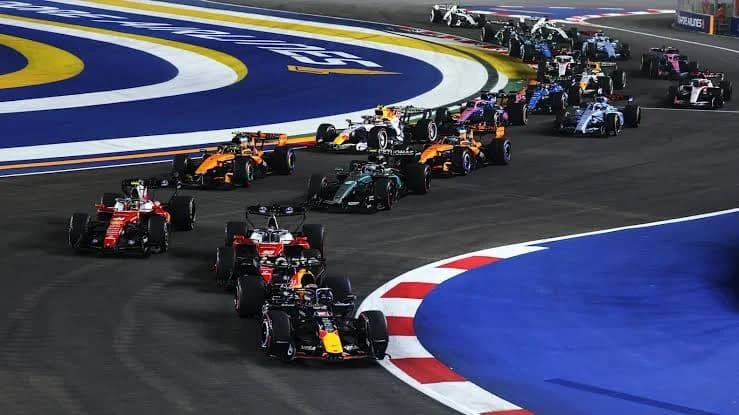
Rwanda has officially secured a 10-year agreement with Formula 1 to host the African Grand Prix, marking the sport's return to the continent for the first time in over three decades. The races are scheduled to begin in the early 2030s at a purpose-built facility in Bugesera, located approximately 25 miles from the capital, Kigali. This landmark deal ends a long absence of the pinnacle of motorsport from Africa, which last hosted a Grand Prix in 1993 in South Africa.
The upcoming races will be held on a new circuit designed to meet the Federation Internationale de l'Automobile (FIA) Grade 1 standards, the highest certification required for Formula 1. Former F1 driver Alex Wurz has been tasked with designing the track, which is expected to leverage Rwanda’s natural landscape to create a unique racing experience. The project is being spearheaded by the Rwanda Development Board and is positioned as a strategic investment to elevate the country’s profile on the global sports stage.
F1 President Stefano Domenicali and Rwandan President Paul Kagame have both emphasized the transformative potential of this partnership. Domenicali described the return to Africa as a significant milestone for the sport’s global expansion, particularly in reaching the continent's large and growing youth population. President Kagame highlighted the anticipated economic benefits, noting that the long-term agreement is expected to drive international tourism, attract foreign investment, and create numerous job opportunities for Rwandans.
While the announcement has been met with excitement from motorsport enthusiasts, some observers have noted the potential for controversy regarding Rwanda's human rights record. Nevertheless, for Formula 1, the move represents a critical step in tapping into a less explored market and fulfilling its goal of a truly global calendar. The African Grand Prix in Rwanda is set to become a focal point for international sports in the region, finally bridging the gap that has existed in the sport since the final race at Kyalami in 1993.