••
Saif al-Islam Kadhafi assassinated in 2026 Libya leadership vacuum
•2 min read•1 source
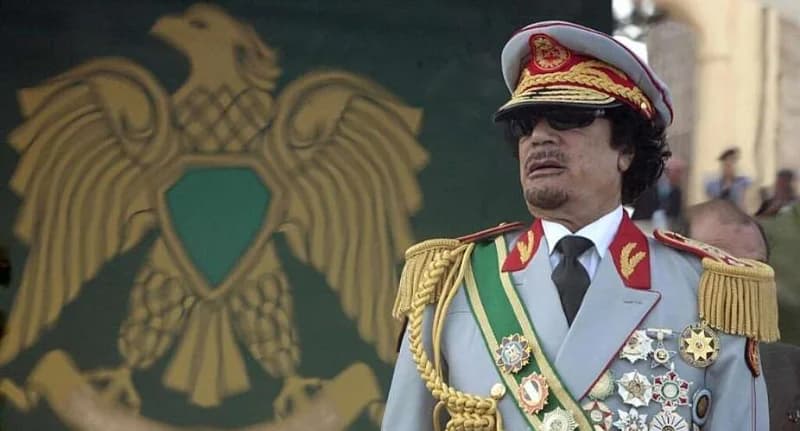
The 2026 assassination of Saif al-Islam Kadhafi has significantly intensified the leadership vacuum in Libya, a nation already deeply fractured by years of civil strife and political division. As the son of the late Muammar Kadhafi, Saif al-Islam was a pivotal figure for those seeking to restore elements of the former regime’s influence. His death removes a central pillar from the "Kadhafist" movement, further complicating the search for a unified political direction in a country currently split between rival governments.
Since the fall of Muammar Kadhafi in 2011, Libya has struggled with persistent instability. The elder Kadhafi’s 42-year rule was defined by his Green Book ideology, which combined Arab nationalism with African liberation, funded by the nation’s vast oil wealth. While his regime was marked by severe internal repression and international sanctions, many in Libya and across the African continent now look back with a sense of nostalgia for the relative stability of that era. Saif al-Islam had emerged as the standard-bearer for this ideological legacy, attempting to navigate the complex web of tribal alliances and modern political factions.
The 2026 assassination marks a terminal point for the specific ideological movement that sought to revive the Kadhafi family’s power. Experts note that Saif al-Islam’s presence offered a sense of continuity for loyalists who rejected the post-2011 political order. Without his leadership, the movement faces an internal crisis, lacking a clear successor who commands similar recognition or legitimacy among the former regime's supporters. This disruption comes at a time when the broader African continent is still grappling with the mixed legacy of Kadhafi’s Pan-Africanist ambitions.
As Libya remains divided, the loss of such a high-profile figure underscores the fragility of the peace process and the difficulty of national reconciliation. The void left by the assassination is expected to exacerbate tensions between competing factions in Tripoli and the east as they vie for control over the nation’s future. For many observers, the event serves as a grim reminder that the ghosts of the past continue to haunt Libya’s efforts to establish a stable, unified, and sovereign state.