••
Sir Sam Jonah labels galamsey as a moral and public health crisis
•2 min read•1 source
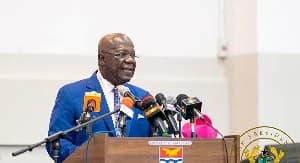
Renowned business leader Sir Sam Jonah has issued a stern warning regarding the escalating threat of illegal mining, popularly known as galamsey, in Ghana. Speaking at the 25th-anniversary conference of Methodist University Ghana in Accra on October 15, 2026, Sir Sam characterized the situation as far more than just an environmental challenge. He described the ongoing destruction as a multi-dimensional crisis involving economic, public health, and moral failures that threaten the very foundation of the nation’s future.
During his keynote address, Sir Sam painted a vivid and grim picture of the degradation caused by unregulated mining activities. He remarked that major rivers across the country, which once served as vital sources of water for millions, now "run like chocolate milk" due to the heavy siltation and chemical pollution associated with galamsey. This environmental catastrophe extends beyond the water bodies to the country’s fertile farmlands and protected forest reserves, which are being systematically decimated by careless mining practices.
Beyond the physical destruction, Sir Sam emphasized the urgent need for structural reforms and enhanced accountability in the management of Ghana’s natural resources. He linked the persistence of illegal mining to broader issues of governance, stating that the depletion of public funds and the misuse of resources are symptomatic of a deeper lack of oversight. By framing galamsey as a moral and public health crisis, he underscored the immediate risks to human lives, including the contamination of the food chain and the long-term loss of sustainable livelihoods for rural communities.
In conclusion, the veteran businessman called for a more robust approach to environmental protection and the enforcement of mining laws. He urged stakeholders and the government to prioritize the preservation of the nation’s heritage over short-term financial gains. His address at Methodist University serves as a significant addition to the national discourse on galamsey, highlighting that without immediate and transparent intervention, the social and economic costs of this environmental crisis will continue to mount for future generations of Ghanaians.