••
National Service Authority Opens 2026/2027 Enrollment as Sammi Awuku Challenges Student Leaders on Responsibility
•3 min read•4 sources
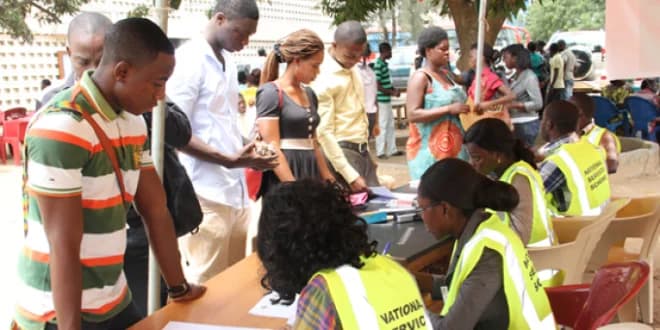
The National Service Authority (NSA) has officially released PIN codes for the 2026/2027 service year, marking a significant step for thousands of graduates preparing for their statutory national duty. This release specifically targets eligible private candidates, foreign-trained graduates, and past national service defaulters who are now seeking to fulfill their legal obligations. As of late September, the NSA reported receiving 7,794 applications, with 3,129 approved so far following rigorous vetting. The Authority has emphasized that national service remains a mandatory requirement for all eligible Ghanaian graduates, urging applicants to verify their personal details and adhere strictly to enrollment timelines to avoid further delays.
Technical data from the NSA reveals that out of the total applications received, 4,722 candidates have already completed their payments. However, the process has not been without scrutiny, as 35 applications were rejected during the initial phase for failing to meet requirements. The NSA has directed all prospective personnel to visit their official website to access their PIN codes and has encouraged those facing registration hurdles to seek assistance at NSA offices nationwide. This administrative milestone underscores the ongoing commitment to maintaining the integrity of the national service scheme as a pillar of professional development and national cohesion.
Parallel to these administrative preparations, youth leadership and civic responsibility took center stage at the University of Professional Studies, Accra (UPSA). "The Ladder Project," an initiative organized by Leadership House in collaboration with campus student unions, engaged 60 student leaders in a dialogue regarding Ghana’s future. The event featured Sammi Awuku, Member of Parliament for Akuapem North, and public policy expert Akosua Asaa Manu. Addressing the students, Awuku delivered a poignant message on the essence of governance, asserting that leadership is defined by responsibility and proactive community engagement rather than the prestige of titles or official positions.
The engagement at UPSA provided a platform for students to discuss national challenges in sectors such as education and healthcare directly with experienced political figures. Akosua Asaa Manu highlighted the importance of political participation and the critical role of the youth in shaping "Ghana’s next chapter." By fostering a direct dialogue between current policy influencers and the next generation of leaders, the program aims to bridge the gap between academic leadership and practical public service, encouraging students to envision their long-term impact on the nation’s development.
Together, the NSA’s enrollment drive and the leadership discourse at UPSA highlight a dual approach to youth development in Ghana: fulfilling statutory duties while cultivating a culture of voluntary, responsible leadership. As the 2026/2027 service year approaches, these initiatives signal an intensified focus on preparing young Ghanaians for the complexities of national development. With the current administration of President John Mahama emphasizing professional excellence and civic duty, these efforts represent critical steps in ensuring the youth are equipped to lead the country forward.
Related topic
John Mahama: Latest News & Updates →

