••
Samuel Nartey George issues 30-day ultimatum on 2,016 mini telecom masts
•2 min read•1 source
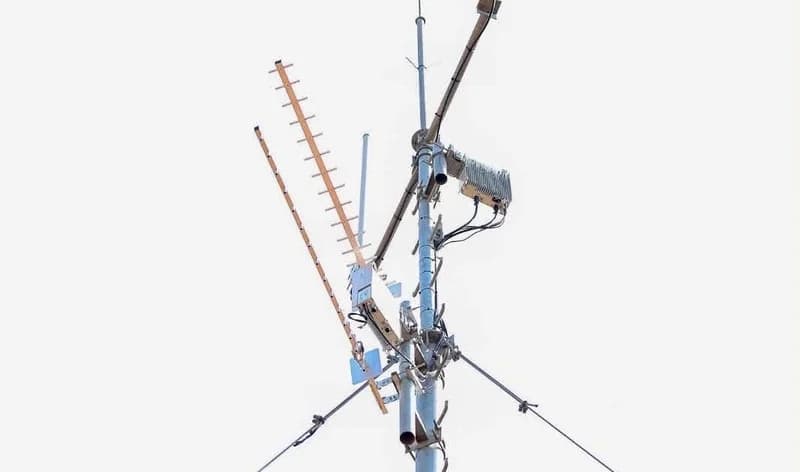
The Minister for Communication, Digital Technology and Innovations, Samuel Nartey George, has issued a 30-day ultimatum to contractors to complete work on more than 2,000 mini telecommunication masts. The project, which involves the construction of 2,016 masts, is designed to expand digital connectivity to approximately 5,000 underserved communities across the country. During an inspection tour in the Volta Region, the minister expressed significant dissatisfaction with the current pace of construction and warned that delays would no longer be tolerated as the government pushes for nationwide network coverage.
Beyond the physical installation of the masts, Mr. George emphasised the urgent need to upgrade the rural telephony network to 4G standards. He noted that many existing rural sites currently operate on 2G and 3G technology, which he described as inadequate for the modern digital requirements of Ghanaian citizens. The minister stated that providing high-speed internet is essential for ensuring that rural communities can participate fully in the digital economy and benefit from government initiatives.
Addressing the challenges facing the sector, the minister highlighted a worrying trend of infrastructure damage, specifically citing approximately 4,000 recorded fiber optic cable cuts. These incidents have severely impacted network quality and reliability. To prevent further disruptions, Mr. George stressed the importance of better coordination between telecommunication firms and road contractors. He noted that accidental damage during road construction is a primary cause of these cuts and called for a more integrated approach to infrastructure development to protect national assets.
In addition to the infrastructure oversight, the minister visited several training centers for the One Million Coders Programme. He expressed enthusiasm for the progress of the trainees, describing the initiative as a life-changing opportunity for the youth. The completion of the rural telephony project is expected to provide the necessary backbone for such digital literacy programmes to succeed in more remote areas, ensuring that the benefits of technological advancement are distributed equitably across the nation.


