••
Saudi Arabia conducts retaliatory airstrikes on Yemen’s Sana’a airport
•2 min read•3 sources
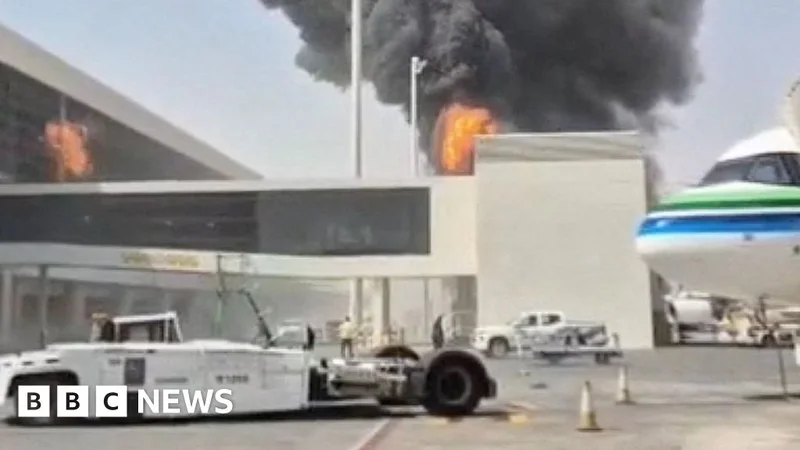
Saudi Arabia has conducted airstrikes on the Sana’a airport in Yemen in response to a deadly missile attack on King Khalid International Airport in Riyadh. The strike on the Saudi capital resulted in at least 12 fatalities and left more than 300 people injured. This surge in violence signals a significant escalation in the regional conflict and follows the breakdown of a long-standing informal ceasefire.
The casualties in the Riyadh attack included citizens from several nations, including Saudi Arabia, Bangladesh, Pakistan, and the United States. Prince Abdul Aziz bin Salman, Saudi Arabia’s Energy Minister, has pledged a "serious response" to the targeting of the kingdom's aviation and energy infrastructure. While the Houthi movement described its actions as a reaction to Saudi military operations in Yemen, international observers have condemned the targeting of civilian facilities.
The ongoing conflict is rooted in a civil war that began in 2014, during which the Houthi militia seized control of Sana’a and other key regions. Although an informal ceasefire had largely held for four years, its recent collapse has led to renewed heavy fighting. The Yemeni government, supported by Saudi aerial operations, is reportedly pursuing a new offensive to reclaim territory from the Houthi forces.
This escalation has already begun to affect global markets, contributing to a rise in international oil prices. Saudi Arabia relies heavily on the Red Sea for its petroleum exports, and the continued threat to its shipping and energy infrastructure remains a major concern for global energy security. While the Houthis claim they do not intend to disrupt international trade, the intensification of attacks on Saudi vessels and airports has heightened regional tensions.
