••
Skills for Progress Africa Fellows tour Tema Oil Refinery
•2 min read•1 source
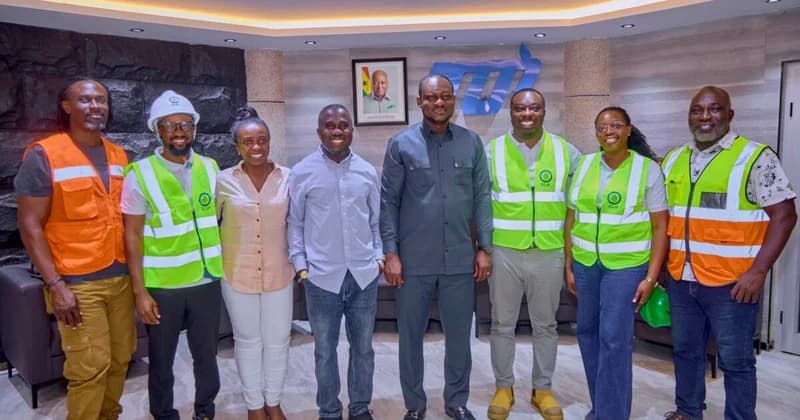
The Skills for Progress Africa (SfPA) program recently organized an industrial tour for its Cohort 1 Fellows at the Tema Oil Refinery (TOR), providing ten young Ghanaians with a firsthand look at complex industrial operations. Accompanied by representatives from their founding partner, ELAF Industrial Automation Limited, the fellows participated in the excursion as part of a broader commitment to bridging the gap between academic theory and practical industry experience. The visit focused on exposing the next generation of technical talent to the realities of refinery management and engineering.
During the visit, the fellows engaged directly with the leadership of TOR, including the Managing Director, Edmond Kombat Esq. In his address to the group, Kombat emphasized the critical importance of leadership and proactive problem-solving within the energy sector. He challenged the fellows to move beyond a reliance on academic certifications, urging them instead to focus on building tangible technical competencies and professional skills that meet the evolving demands of the global industrial landscape.
Kwame Nyatuame, the Executive Director of Skills for Progress Africa, expressed his appreciation for the refinery management's openness to the initiative. He noted that such practical exposure is essential for nurturing Ghanaian talent and ensuring they are prepared for high-level technical roles. The tour also served as a networking platform, with discussions held regarding potential future internship opportunities at the refinery for the fellows, further solidifying the link between the mentorship program and industry recruitment pipelines.
This industrial visit marks a significant milestone for the SfPA mentorship program, which aims to equip youth with both leadership and technical expertise. By facilitating direct interactions between aspiring professionals and established industry leaders at the Tema Oil Refinery, the initiative continues to support the development of a skilled workforce capable of driving innovation in Ghana’s industrial and energy sectors.