••
Medical experts warn against six habits linked to kidney damage
•2 min read•1 source
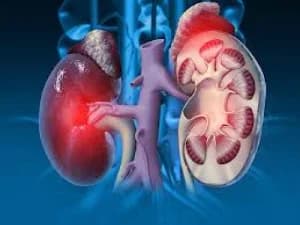
Medical professionals have identified several common daily behaviors that significantly increase the risk of long-term kidney damage and eventual renal failure. These habits, often overlooked by the public, include the frequent postponement of urination and insufficient daily water intake. Kidney failure occurs when these vital organs can no longer efficiently filter metabolic waste and excess fluids from the bloodstream, leading to a dangerous accumulation of toxins within the body.
Among the most critical risk factors highlighted is the misuse of medication, particularly the practice of self-medicating with antibiotics. Experts warn that taking medications without professional guidance can put undue stress on the kidneys, which are responsible for processing and excreting these substances. Additionally, the habit of delaying urination is cited as a significant concern, as it can compromise renal health over time. These behaviors, when practiced frequently, create a cumulative strain on the body's filtration system.
Hydration plays a fundamental role in maintaining renal health, yet many individuals fail to consume adequate amounts of water throughout the day. Water is essential for the kidneys to flush out sodium and toxins from the body effectively. Chronic dehydration makes the filtration process more difficult and increases the likelihood of developing complications. The warning emphasizes that these everyday habits are primary drivers in the increasing prevalence of renal issues, which can progress to total kidney failure if lifestyle changes are not implemented.
To safeguard kidney health, health advocates recommend a proactive approach to daily lifestyle management. This includes maintaining consistent hydration, responding promptly to the body's signals to urinate, and strictly avoiding the use of prescription drugs like antibiotics without a doctor’s supervision. By addressing these specific behaviors, individuals can significantly reduce their risk of chronic kidney disease and ensure the long-term functionality of their renal system.