••
Somalia faces severe hunger risk as El Niño strengthens
•2 min read•1 source
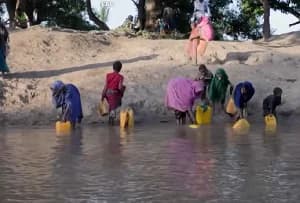
The International Committee of the Red Cross (ICRC) has issued a stern warning regarding the strengthening El Niño weather pattern and its potential to cause severe food insecurity in Somalia. As this super weather system gains momentum, humanitarian experts are increasingly concerned that the environmental shift will exacerbate an already fragile situation in the Horn of Africa. The ICRC highlights that the phenomenon poses a direct threat to the agricultural cycles that millions of people depend on for survival. Farmers across Somalia are currently facing what the ICRC describes as a devastating gamble with their livelihoods. The El Niño system, characterized by unusual warming of surface waters in the eastern Pacific Ocean, frequently leads to extreme weather fluctuations in Somalia, ranging from torrential rains and flooding to severe droughts. These unpredictable conditions threaten to disrupt critical planting and harvesting schedules, potentially ruining crops before they can be collected or preventing seeds from being sown entirely. The impact of these weather disruptions extends beyond immediate crop loss. In a region where food systems are already under pressure from previous climatic shocks and local instability, the additional stress of a powerful El Niño could push vulnerable communities into deeper levels of hunger. The ICRC assessment suggests that without adequate intervention or favorable shifts in weather patterns, the agricultural output for the coming seasons remains highly precarious, leaving many families without reliable access to food. As the El Niño system continues to strengthen, the international community and local authorities are being urged to monitor the situation closely. The warning serves as a call for increased preparedness to mitigate the humanitarian fallout of potential harvest failures. Strengthening food security resilience in Somalia remains a priority, as the country navigates the dual challenges of a volatile climate and the socio-economic pressures that accompany large-scale agricultural disruption.