••
CARICOM and Nobel Laureate Wole Soyinka Champion Global Reparatory Justice at Landmark Accra Conference
•2 min read•4 sources
Ghana’s capital, Accra, recently hosted the High-Level Next Steps Conference on Reparatory Justice, marking what leaders describe as a transformative moment in the global movement to address the legacies of the transatlantic slave trade. Professor Sir Hilary Beckles, Chair of the CARICOM Reparations Commission, hailed Ghana’s “Door of Return” initiative as a pivotal symbol of reconnection for the estimated 10 million Africans forcibly transported centuries ago. He emphasized that this movement represents an unprecedented alignment between African nations and the diaspora, bolstered by recent United Nations resolutions and a shared consciousness aimed at rectifying historical injustices that stripped millions of their cultural and historical identities.
Contributing a profound philosophical dimension to the discourse, Nobel Laureate Professor Wole Soyinka argued that reparatory justice must transcend mere financial compensation or symbolic acts. Speaking at the conference, the Nigerian playwright asserted that true reparations must focus on restoring the humanity, dignity, and psychological well-being of African descendants. However, Soyinka also issued a sobering reminder that the struggle against exploitation is not confined to the past. He highlighted the persistence of modern slavery in Africa, specifically through the kidnapping and human trafficking of children, and criticized nations that oppose reparations while contemporary exploitation remains active on the continent.
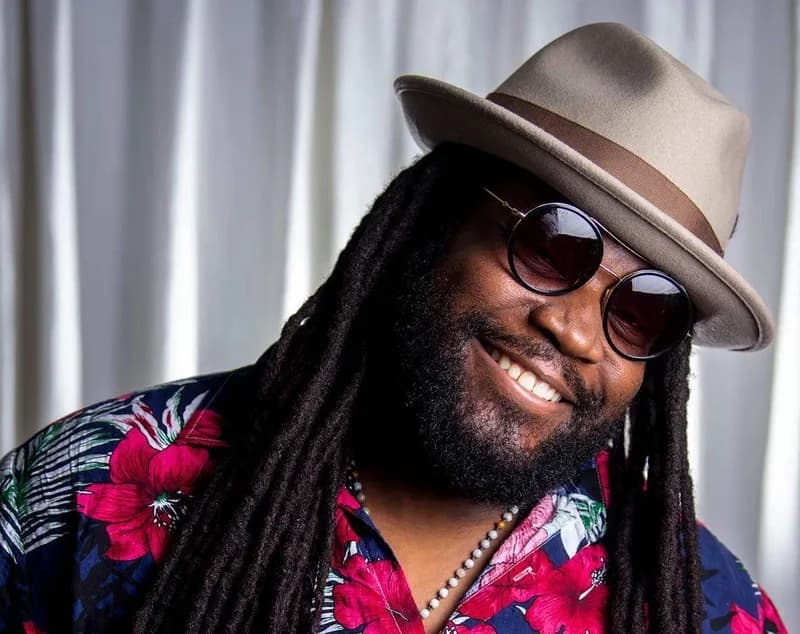
The human impact of this movement was further personalized by international reggae musician Gramps Morgan, who revealed during the conference that a DNA test showed he is 46% Ghanaian. Morgan’s testimony underscored the vital role of genealogy in the reparatory process, allowing descendants of enslaved Africans to bridge the gap created by the transatlantic slave trade. His discovery resonated deeply with participants, illustrating the movement’s broader goal of fostering cultural reconnection and personal reconciliation for those whose ancestral ties were severed by historical atrocities.
As the conference concluded, the focus shifted toward concrete implementation of the CARICOM 10-point plan for reparatory justice. Leaders urged a transition from symbolic remembrance to dynamic actions that confront present-day inequalities rooted in colonialism and slavery. By aligning international advocacy with personal narratives of return, the Accra summit has set a new agenda for the global reparations movement, demanding truth, accountability, and the restoration of identities shaped by centuries of resilience.
