••
Star Oil Rejoins COMAC, Demands Abolition of Permanent Board Seats in Governance Reform Push
•2 min read•3 sources
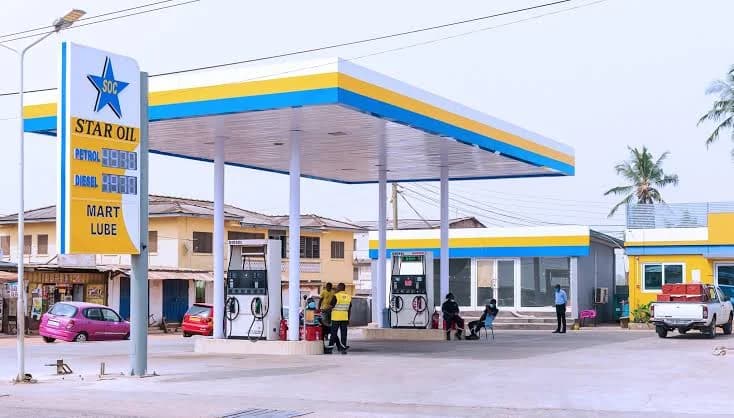
Star Oil Ghana Limited has officially announced its return to the Chamber of Oil Marketing Companies (COMAC), ending a membership suspension that began in January 2026. In a formal communication dated October 1, 2026, the company’s CEO, Philip Tieku, expressed a commitment to re-engaging with the industry body while simultaneously issuing a strong call for comprehensive governance reforms. The decision to rejoin follows extensive consultations with industry stakeholders and appeals from other oil marketing companies (OMCs) who emphasized the importance of Star Oil's participation in the sector's collective growth. Central to Star Oil’s return is a direct challenge to the Chamber’s traditional leadership structure, specifically the permanent board seats reserved for three founding members. Mr. Tieku argued that this arrangement is outdated and no longer reflects the evolving dynamics of Ghana’s downstream petroleum sector. By concentrating power among a few historical players, the current system is said to hinder broader participation and limit the responsiveness of the Chamber to the needs of its diverse membership. Star Oil maintains that the industry's progress requires a leadership model that prioritizes merit and contemporary relevance over historical status. To address these concerns, Star Oil is advocating for a more transparent and democratic selection process for board representation. The company believes that moving away from permanent appointments toward an elective or merit-based system will significantly enhance accountability and effectiveness within COMAC. According to the CEO, a reformed governance structure would ensure that the interests of all oil marketing companies are equitably represented, fostering a more collaborative environment where decision-making is shared among the Chamber’s active participants. As Star Oil reintegrates into the Chamber, the focus shifts toward how COMAC leadership will respond to these calls for modernization. The company has expressed its intention to work closely with fellow members to implement these changes, aiming to make the Chamber a more representative and robust voice for the industry. This push for reform highlights a growing demand for transparency within Ghana’s business associations, suggesting that historical hierarchies may soon give way to more inclusive governance frameworks in the energy and infrastructure sectors.
