••
Suame Interchange Project Set to Transform Kumasi Traffic as Urban Roads Forecasts April 2028 Completion
•2 min read•1 source
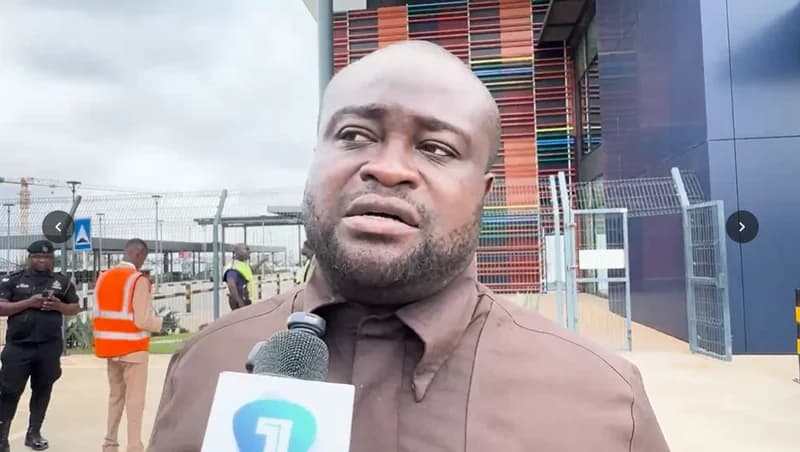
The Ashanti Regional Director of Urban Roads, Ing. Nana Atta Poku Agyemang, has highlighted the transformative potential of the Suame Interchange project, asserting that its completion will drastically alleviate the chronic traffic congestion currently plaguing Kumasi. As a centerpiece of the government’s ambitious "Big Push" infrastructure initiative, the multi-tiered interchange is designed to streamline vehicular movement across one of the busiest transit points in the Ashanti Region. The project underscores the current administration's commitment to modernizing urban transport networks to support economic growth and improve the daily lives of residents in Ghana's second-largest city.
Structured into two distinct phases, the Suame Interchange project involves the construction of a main interchange alongside an extensive network of associated local roads. While the official completion date for the primary structure is currently set for April 2028, Ing. Agyemang indicated that the project timeline remains dynamic. He noted that the contractor is currently reviewing work schedules, which could potentially lead to an earlier-than-expected delivery. This flexibility reflects the urgency with which the Department of Urban Roads is approaching Kumasi’s infrastructure deficits, ensuring that the heavy construction phase causes as little prolonged disruption as possible to local businesses and commuters.
Beyond immediate traffic relief, the Suame Interchange is a vital component of Kumasi’s broader inner ring road network strategy. By creating a more efficient corridor for both local traffic and long-distance transport, the interchange is expected to significantly reduce travel times and enhance overall connectivity within the metropolitan area. Urban road officials emphasize that this development is not merely about road capacity but about creating a resilient urban framework that can accommodate future population growth. As work progresses, the focus remains on ensuring that the final infrastructure meets international safety and engineering standards while providing a permanent solution to the bottlenecks that have long hindered movement in the Suame enclave.
