••
Tamale Metropolitan Assembly Moves to Address Public Health Risks from Deteriorating Waste Infrastructure
•2 min read•2 sources
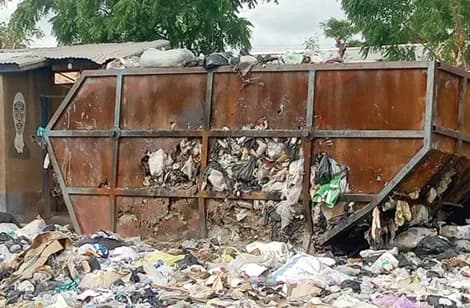
Residents of the Tamale Metropolis are raising urgent concerns over a brewing public health crisis caused by the widespread neglect and deterioration of refuse containers across the city. Worn-out and broken waste bins have become a common sight, leading to significant waste spillage and the creation of unsanitary conditions in densely populated areas. The failure of the current waste management system to maintain these containers has not only compromised the aesthetic value of the Northern Regional capital but has also heightened the risk of disease outbreaks among community members.
The situation is particularly dire for residents living near designated collection points, who bear the brunt of the foul odors and environmental hazards. Local residents, including Adam Osman and Jibrel Abdul Manan, have voiced their frustrations regarding the persistent delays in waste evacuation and the lack of functional equipment. With many containers having outlived their usefulness, trash is often dumped directly onto the ground, exacerbating the problem during the rainy season when runoff can spread contaminants further into residential neighborhoods. The fear of cholera and other waterborne diseases remains a primary concern for those living in the affected zones.
In response to the mounting pressure, the Tamale Metropolitan Assembly (TaMA) has acknowledged the gravity of the sanitation challenges and announced plans for a structural overhaul. The Assembly is currently evaluating proposals to improve waste management efficiency by dividing the metropolis into eight distinct sanitation zones, which will be managed through specialized private contracts. This strategic shift aims to ensure more consistent waste collection and the replacement of damaged infrastructure. However, the success of these measures depends heavily on the timely execution of contracts and the availability of resources to support private partners.
The sanitation crisis in Tamale reflects a broader systemic issue within the Northern Region, which continues to rank low in national sanitation service assessments. Experts and local stakeholders emphasize that addressing the refuse container shortage is only the first step toward a sustainable solution. Significant investment in modern sanitation infrastructure and a robust maintenance culture are essential to improving the region's public health outcomes. As the Assembly transitions to its new management model, the residents of Tamale remain hopeful for a cleaner, safer environment that prioritizes the health of its citizens over bureaucratic delays.
This story touches markets covered on Anansi Intelligence ↗.
More from health
Continue exploring similar stories


