••
Tamale Teaching Hospital records 44 new breast cancer cases in six months
•2 min read•1 source
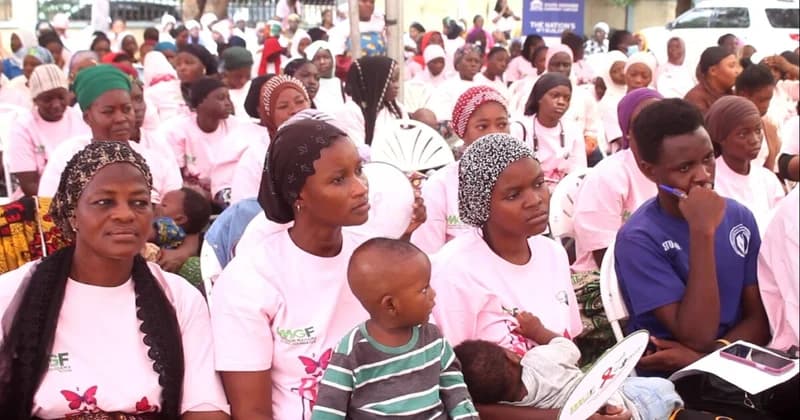
Oncology specialists at the Tamale Teaching Hospital (TTH) have reported 44 new cases of breast cancer during the first half of the year. This follow-up to the 145 cases recorded throughout 2025 underscores a persistent and concerning rise in the prevalence of the disease within the Northern Region. Breast cancer continues to be the most common illness treated at the hospital’s oncology unit, prompting urgent calls for increased public awareness and proactive medical screening to save lives.
The statistics were highlighted by Evelyn Osei Amoah, a specialist oncology nurse, during an annual screening event organized to mark Breast Cancer Awareness Month this October. Speaking at the program initiated by the Brooks Dreams Foundation, Amoah emphasized that the current trend highlights the critical need for early detection. She commended the media for its instrumental role in driving awareness, which has encouraged a growing number of women in the region to present themselves for medical examination rather than relying solely on traditional interventions.
The Brooks Dreams Foundation, led by CEO Hajia Memuna Kaleem, is spearheading efforts to screen over 400 individuals this year. Beyond providing a platform for diagnosis, the foundation offers essential financial assistance to patients whose cases are confirmed, helping to bridge the gap between diagnosis and treatment. Kaleem noted that continuous community engagement and improved screening processes are beginning to yield results in dismantling traditional beliefs and cultural myths that have historically delayed women from seeking timely medical care.
As the hospital continues to manage the influx of cases, health officials are urging the public to treat breast cancer as a medical priority that requires professional intervention. The integration of community-led foundations and professional healthcare services at TTH is viewed as a vital strategy for improving survival rates in Northern Ghana. By bypassing traditional delays and utilizing available screening resources, medical experts hope to significantly reduce the impact of the disease through early oncology support.
