••
Government secures €323m for Tamale, Yendi, and Damongo water projects
•2 min read•2 sources
The Government of Ghana has secured a €323 million financing package to implement the Northern Ghana Water and Sanitation Project, an initiative designed to provide a permanent solution to the persistent water shortages facing residents in Tamale, Yendi, and Damongo. Finance Minister Dr. Cassiel Ato Baah Forson announced the funding at the 2026 IMF/World Bank Group meetings in Bangkok following successful negotiations with the European Investment Bank (EIB). The project is expected to benefit approximately 1.5 million people in the Northern Region by significantly improving access to safe drinking water and sanitation services.
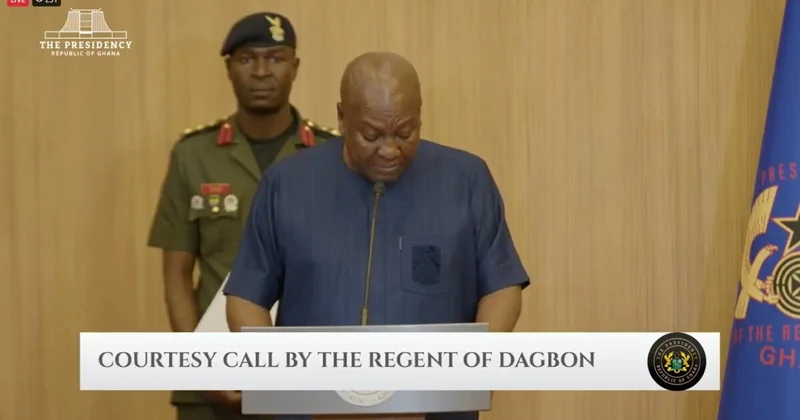
The financing package is a collaborative effort involving several international partners. It includes a €225 million concessional financing facility from the EIB, a €68 million grant from the European Commission, and a €30 million grant from the Dutch government. President John Mahama confirmed these details during a meeting with the Regent of the Dagbon Kingdom on 19 October, noting that the combination of grants and concessional loans ensures the project has the necessary capital to address the complex infrastructure needs of the three northern municipalities.
Technical assessments have identified the White Volta River as the primary sustainable water source for the project. While baseline studies confirmed the river's viability, they also indicated that certain water quality parameters exceed standard safety guidelines, necessitating the use of conventional treatment methods to ensure the water is safe for human consumption. To provide immediate relief while the larger infrastructure is being developed, President Mahama stated that new pumps would be installed in Tamale to boost the existing water supply and mitigate current shortages before the comprehensive system becomes fully operational.
The Northern Ghana Water and Sanitation Project is expected to have a transformative impact on the socio-economic landscape of the region. By securing a reliable water supply, the government aims to reduce the prevalence of water-borne diseases and alleviate the daily burden on residents who currently struggle with intermittent access. This project aligns with broader national goals of infrastructure development and public health improvement. With the funding now secured and the source identified, the focus shifts to the procurement and construction phases, which are anticipated to drive local employment and long-term regional development.
Related topic
John Mahama: Latest News & Updates →

