••
Trump Reinstates Iran Port Blockade as U.S.-Tehran Military Conflict Escalates in Strait of Hormuz
•3 min read•6 sources
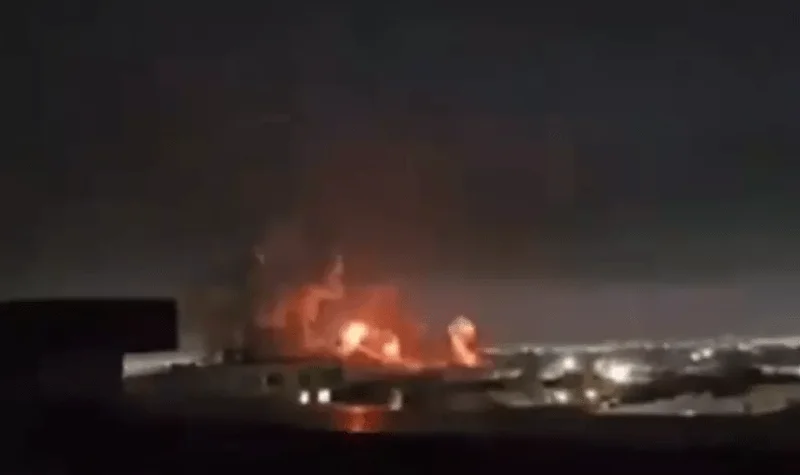
President Donald Trump has announced the reinstatement of a naval blockade on Iranian ports while imposing a controversial 20% charge on all cargo passing through the Strait of Hormuz. This move, effective immediately, comes as the region faces a volatile cycle of retaliatory military strikes between U.S. and Iranian forces, significantly destabilizing one of the world’s most critical energy transit routes. While the U.S. maintains that the waterway remains open for international shipping, the blockade specifically targets Iranian vessels to exert maximum pressure on Tehran following a breakdown in diplomatic relations.
The military situation has reached a boiling point, with U.S. Central Command launching targeted aerial campaigns against more than 140 Iranian military installations and defense systems. These strikes were reportedly aimed at degrading Tehran’s ability to interfere with commercial traffic. In response, Iran’s Islamic Revolutionary Guard Corps (IRGC) has retaliated by attacking U.S. military bases and facilities across several Middle Eastern nations. Oman has also reported drone attacks near the Musandam region and the strategic port of Duqm, further heightening fears of a broader regional conflagration.
Amidst the exchange of fire, a rhetorical battle over the "Guardianship" of the Strait has emerged. President Trump proclaimed the United States as the "Guardian of the Hormuz Strait," asserting that the U.S. Navy will ensure security for non-Iranian vessels while seeking reimbursement for these operations. Conversely, Iranian Foreign Minister Abbas Araghchi insisted that Iran remains the true protector of the passage and suggested that safe transit should be compensated by the international community. The proposed 20% cargo fee by the U.S. has raised significant legal questions and sparked skepticism among international allies and domestic critics concerned about trade legality.
The conflict is further complicated by the recent death of Iran’s Supreme Leader, Ayatollah Ali Khamenei. The new Iranian leadership has vowed "severe revenge," leading to the collapse of previously proposed interim peace agreements and a total deterioration of diplomatic communication. Global energy markets have reacted sharply to the unrest; Brent crude futures have surged as fears of a total supply disruption grow, given that the Strait of Hormuz handles approximately 25% of global oil shipments. The standoff puts regional stability at extreme risk as both nations prioritize strategic dominance over de-escalation.
In a unrelated domestic development, the Cabinet of Ghana has postponed a scheduled meeting intended to finalize a position paper on the review of the 1992 Constitution. The delay was attributed to the National Clean-Up Exercise, with a new date yet to be established. President John Dramani Mahama has emphasized that the proposed constitutional amendments are vital for strengthening the Fourth Republic, and the government remains committed to submitting the final report for implementation once the review process is concluded.