••
Trump Issues Military Threat to Oman as Kushner Advances Gaza Roadmap and UK PM Burnham Targeted by Impersonator
•3 min read•4 sources
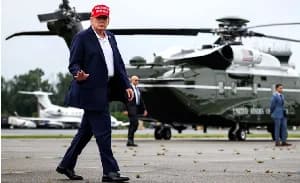
International relations faced a series of high-stakes developments this week as US President Donald Trump issued a stark military threat against Oman while his special envoy, Jared Kushner, conducted critical negotiations in Jerusalem regarding the future of Gaza. Simultaneously, across the Atlantic, British Prime Minister Andy Burnham was ensnared in a sophisticated digital impersonation attempt involving a top US official. These events highlight a volatile period in global diplomacy, ranging from aggressive posturing in the Middle East to cybersecurity vulnerabilities among top-tier world leaders.
President Trump sparked international concern during a phone interview by threatening to bomb Oman, a traditional US ally and mediator, if it obstructs efforts to secure a peace deal with Iran. "If Oman gets in the way, we’ll bomb the shit out of them," the President remarked, referencing ongoing negotiations to reopen the strategic Strait of Hormuz, which has seen restricted shipping for months. Despite the aggressive rhetoric and a lapsed deadline for a final agreement, Trump maintained he was in no hurry to finalize a deal, asserting that Iran is under significant pressure and should "surrender" to US terms.
In Israel, US special envoy Jared Kushner held a four-hour meeting with Prime Minister Benjamin Netanyahu to advance a post-war roadmap for Gaza. The discussions resulted in the formation of two bilateral working groups focused on the demilitarization of Hamas and public health infrastructure. Netanyahu reiterated that Israeli Defense Forces (IDF) would not withdraw from Gaza until Hamas is fully disarmed, a condition that remains a significant point of contention. While Kushner described the talks—which included preliminary contact with Hamas representatives in Egypt—as constructive, skepticism persists regarding Hamas's genuine commitment to surrendering its arsenal.
The week’s political landscape was further complicated by a security breach in London, where Prime Minister Andy Burnham unknowingly exchanged messages with an individual impersonating Susie Wiles, President Trump’s Chief of Staff. Burnham reported the incident to authorities after becoming suspicious of the correspondence. While the UK government downplayed the significance of the messages, the incident prompted a formal inquiry from the British embassy to the White House. US officials clarified that Wiles’ devices were not hacked, yet the breach raises urgent questions about the security of high-level communications, particularly following reports that the mobile numbers of several British Cabinet ministers were recently leaked online.
These converging events underscore the complex challenges facing the current US administration and its allies. Between the threat of military action against a mediating partner, the fraught negotiations for a stable Gaza, and the persistent threat of digital subversion, the diplomatic landscape remains deeply unsettled. As working groups begin their tasks in Israel and security protocols are reviewed in the UK, the international community remains watchful for the next phase of Trump’s assertive foreign policy and its impact on regional stability and global security.
