••
Donald Trump Threatens Strikes on Iranian Infrastructure as US Resumes Naval Blockade
•3 min read•7 sources
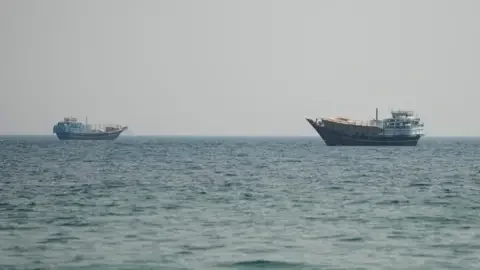
President Donald Trump has issued a severe ultimatum to Iran, warning of targeted military strikes on the country's power plants and bridges unless Tehran returns to the negotiation table. This escalation follows four consecutive days of military exchanges and the formal re-imposition of a US naval blockade on Iranian ports. Speaking in a Fox News interview, Trump emphasized that military actions would persist indefinitely until he deems it necessary to stop. The situation has intensified regional security concerns, with US Central Command reporting strikes against Iranian assets linked to disruptions in commercial shipping, while Iranian officials have accused the US of causing civilian casualties and dismissed the prospect of negotiating under duress.
The US administration’s tactical approach has seen rapid shifts, particularly regarding the strategic Strait of Hormuz. Trump briefly proposed a controversial 20% security fee on all cargo vessels transiting the waterway to offset the costs of the US naval presence. However, this proposal was abandoned within 24 hours in favor of pursuing massive trade and investment deals with Gulf allies to ensure safer passage. Despite these shifts in economic strategy, the military posture remains rigid; Israeli Prime Minister Benjamin Netanyahu has also cautioned Iran against further provocation, promising a robust response if conflict is initiated. Meanwhile, Kuwait and Bahrain have reportedly activated military responses to drone threats in the region.
In response to the US blockade and airstrikes, Iran’s Revolutionary Guard Corps (IRGC) has threatened to close the Strait of Hormuz entirely, asserting that the vital trade route will remain blocked until US ‘acts of aggression’ cease. This standoff has already rattled global energy markets, with Brent crude oil prices surging past $85 a barrel as tanker traffic dwindles. While ship-tracking data recently showed a brief uptick in Iranian-linked vessels attempting to transit the strait ahead of the blockade’s full enforcement, analysts from Goldman Sachs warn that recovery in Gulf shipping flows will likely be slow due to increased risk aversion among international maritime operators.
The escalating rhetoric has sparked significant humanitarian and legal concerns, as targeting civilian infrastructure like power grids and bridges could be classified as a violation of international law. Diplomatic efforts appear to be at a complete stalemate, with both nations entrenched in their respective positions. Experts suggest the conflict is devolving into a war of attrition, creating significant domestic pressure for the Trump administration as rising energy costs threaten to impact the US economy. As military operations continue and diplomatic avenues remain elusive, the situation represents an acute risk to both global economic stability and Middle Eastern regional security.
