••
University of Cape Coast and CAMFED Launch Major Initiatives to Propel Women into AI and Technology Leadership
•2 min read•2 sources
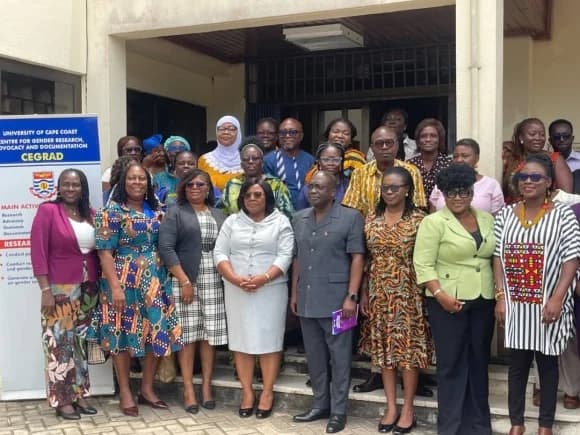
Educational institutions and advocacy groups in Ghana have launched a series of high-impact initiatives aimed at bridging the digital gender gap and positioning African women as leaders in the emerging technology landscape. The University of Cape Coast (UCC) has introduced a free digital skills and Artificial Intelligence (AI) training program titled "Women Leading Change in Africa." This initiative, implemented by the Institute for Educational Planning and Administration (IEPA) in collaboration with the Centre for Gender Research, Advocacy and Documentation (CEGRAD), seeks to equip over 2,000 educators and leaders across Ghana with the tools necessary to navigate and lead in the digital era. The program addresses a critical disparity in West Africa, where women currently occupy only 24% of educational leadership positions.
Running from August 2026 through November 2027, the UCC program offers self-paced courses focused on AI applications across various professional fields. Program organizers emphasized that closing the digital skills gap is a prerequisite for effective leadership and a vital step in dismantling structural barriers within the education sector. By targeting both current and aspiring leaders, the initiative aims to ensure that the next generation of African educational policy is shaped by women who are technically proficient and ready to leverage AI for institutional growth.
Parallel to these academic efforts, the CAMA Summit recently held in Accra challenged young women to evolve from being mere consumers of technology to becoming its primary creators. Addressing over 100 beneficiaries of the CAMFED scholarship program from across the continent, Dr. Obaapanin Oforiwaa Adu of the University of Media, Arts and Communication (UniMAC) stressed that women must assert themselves in traditionally male-dominated technical fields. She argued that active participation in technology development is the only way to ensure that emerging digital tools are designed to meet the specific needs and perspectives of women.
Fairuza Abdul-Rashid Safian of CAMFED Ghana noted that the summit’s focus on inclusive education and strategic partnerships is essential for empowering young women across Africa. The dual focus of these initiatives—UCC’s large-scale AI training and CAMFED’s leadership activism—represents a coordinated push to move women into decision-making spaces without waiting for an invitation. By fostering a community of tech-savvy female leaders, these programs aim to challenge existing stereotypes and build a robust pipeline of African women ready to lead the continent’s digital transformation.


