••
Global Health Alert: Record UK Heatwave Deaths and El Niño Threats Signal Growing Climate Crisis
•2 min read•2 sources
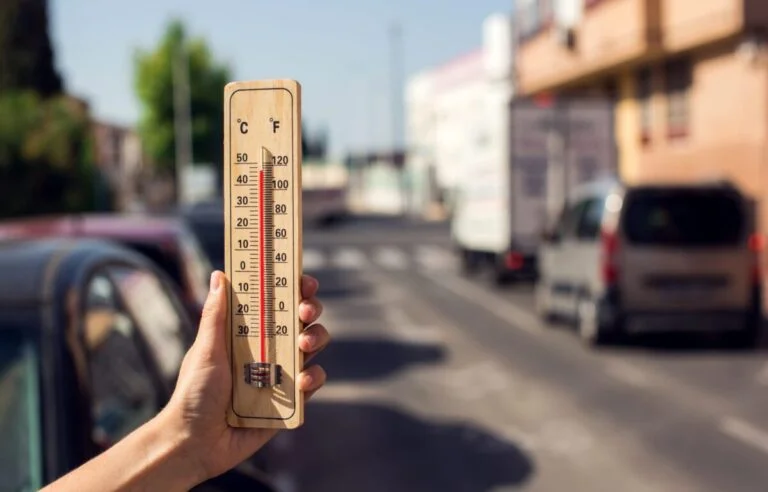
Recent reports from the United Kingdom and the International Rescue Committee (IRC) highlight a mounting global health crisis driven by extreme weather events and climate change. In the UK, experts from Imperial College London and other institutions estimate that more than 2,700 people may have died from heat-related causes during exceptional heatwaves in May and June. This period saw England record its highest temperature ever at 37.7°C, as a "heat dome" intensified by climate change placed unprecedented stress on vulnerable populations, particularly the elderly and those with pre-existing medical conditions. These findings serve as a stark warning about the immediate lethality of rising temperatures in regions previously unaccustomed to such extremes. Parallel to the crisis in Europe, the IRC has issued a dire warning for East Africa and parts of Asia, where an intensifying El Niño phenomenon is expected to trigger a wave of floods, droughts, and disease outbreaks. The humanitarian organization identifies Somalia, Kenya, Uganda, Bangladesh, Pakistan, and Afghanistan as high-risk zones. In Somalia alone, approximately 4.8 million people are in urgent need of assistance as the threat of heavy rains and flooding looms over communities already struggling to recover from previous climate shocks. The IRC emphasizes that without immediate investment in early action and disaster mitigation, these regions face a catastrophic cycle of displacement and health emergencies. The convergence of these events underscores the global nature of the climate-health nexus. While the UK grapples with the direct impact of extreme heat on mortality, nations in East Africa and Asia are preparing for a multidimensional crisis involving food insecurity and the spread of waterborne diseases. Experts and humanitarian leaders are calling for urgent global intervention to curb climate emissions and address funding shortages that hamper disaster response. The recurring nature of these climate threats suggests that without systemic changes in infrastructure and public health preparedness, the human cost will continue to escalate significantly in the coming years.
This story touches markets covered on Anansi Intelligence ↗.
More from health
Continue exploring similar stories


