••
UNFPA and Africa CDC Demand Enhanced Health Financing and Domestic Sovereignty to Tackle Maternal Mortality and Ebola Outbreaks
•3 min read•6 sources
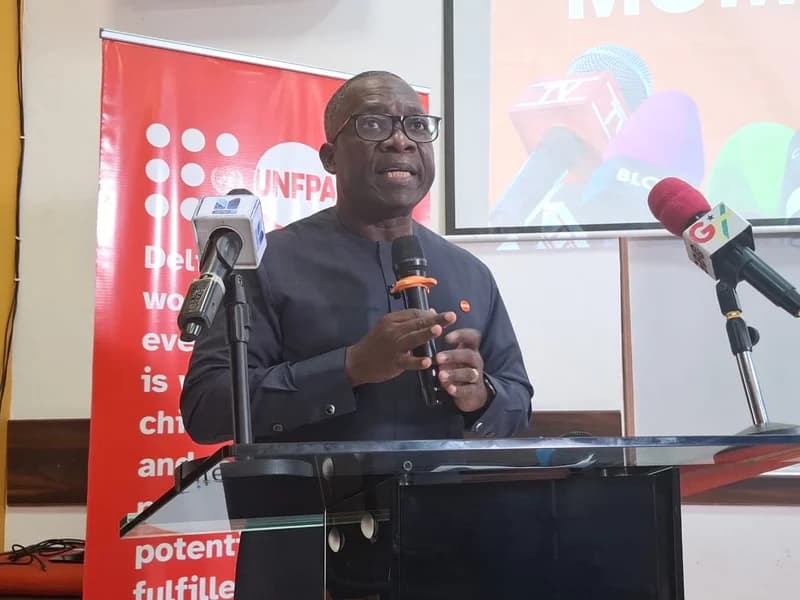
High-level health officials from the United Nations Population Fund (UNFPA) and the Africa Centres for Disease Control and Prevention (Africa CDC) have converged in Accra to demand urgent action on Africa’s most pressing health crises: maternal mortality and infectious disease outbreaks like Ebola. Dr. Sennen Hounton, UNFPA’s Regional Director for West and Central Africa, alongside Dr. Jean Kaseya, Director-General of the Africa CDC, emphasized that the continent’s path to health security depends on increased domestic financing and a multi-sectoral approach. During these engagements, the leaders underscored that while some progress has been made, systemic barriers—including socio-economic challenges and inadequate local production of medical supplies—continue to claim lives across the region. To tackle the slow progress in maternal health, the UNFPA has proposed a five-point action plan for African nations. This strategy includes significantly boosting domestic health funding, enhancing protections for women and girls, and establishing robust accountability systems. Furthermore, the plan calls for expanded access to reproductive health resources and the development of local manufacturing for essential medical commodities. Dr. Hounton highlighted that maternal deaths are often exacerbated by adolescent pregnancies and a lack of education, noting that currently, only seven African countries are meeting global targets for maternal mortality ratios. Parallel to these efforts, Dr. Jean Kaseya highlighted the ongoing battle against Ebola in the Democratic Republic of the Congo (DRC) and Uganda. The Africa CDC reported that while $110 million has been mobilized for the response, there is a dire need to reduce reliance on external donors. The World Health Organization (WHO) has warned that the current outbreak in the eastern DRC could become one of the most severe in history, potentially rivaling the catastrophic 2014-2016 West African crisis which led to over 11,000 deaths. In response, the Africa CDC is pushing for health sovereignty, advocating for increased domestic resource mobilization and the lifting of international travel restrictions on affected nations to stabilize their economies. Looking toward the future, health leaders expressed optimism that Africa could achieve significant preparedness by December 2026. This vision includes the successful conclusion of clinical trials for Ebola vaccines and therapeutics, as well as the implementation of more rigorous data collection to track maternal health outcomes. The call to action remains clear: African governments must prioritize health as a cornerstone of development, ensuring that financial investments reach the most vulnerable women and that the continent is equipped to manage its own public health emergencies without total dependence on foreign aid.
This story touches markets covered on Anansi Intelligence ↗.
More from health
Continue exploring similar stories


