••
UNICEF and WHO Partner with NADMO to Strengthen Flood Response and Data Management in Keta
•2 min read•4 sources
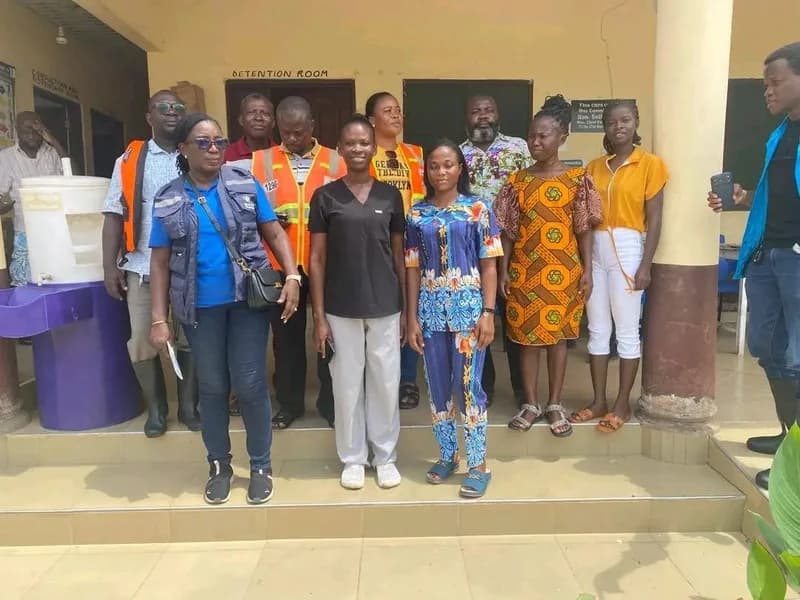
The Keta Municipal Office of the National Disaster Management Organisation (NADMO) has collaborated with a delegation from the United Nations Children's Fund (UNICEF) and the World Health Organisation (WHO) to bolster disaster response capabilities in the region. This partnership centered on a specialized training session for NADMO personnel, focusing on advanced data collection techniques specifically tailored for flood-affected communities. The initiative comes at a critical time as the municipality grapples with the socio-economic fallout of recent flooding, necessitating more precise and timely information to guide humanitarian interventions.
The training program was designed to equip staff with the technical skills required to conduct thorough assessments in volatile environments. By refining how data is gathered and analyzed, NADMO aims to ensure that relief efforts are both targeted and efficient. Experts from the UN agencies led the sessions, emphasizing that accurate data is the backbone of any successful disaster management strategy. The collaboration highlights a shared commitment to improving the resilience of local infrastructure and providing a structured framework for addressing the immediate needs of vulnerable populations.
Following the technical training, the joint team undertook a series of field assessments to witness the impact of the flooding firsthand. Visits were conducted in several communities, including Aborlove-Nolopi and Anyako, where the delegation engaged directly with residents and local leaders. However, the assessment team encountered significant logistical hurdles, notably in reaching the community of Seva, where submerged roads and damaged infrastructure made access nearly impossible. These physical barriers underscore the severity of the situation and the urgent need for comprehensive disaster mitigation strategies in the coastal municipality.
Discussions with community leaders revealed a troubling picture of the ongoing crisis, with the flooding causing extensive disruptions to both local livelihoods and the education of children. Residents shared accounts of lost income and the physical dangers posed by the rising waters. In response, NADMO has reiterated its commitment to working closely with international development partners and local stakeholders to mitigate these impacts. The data gathered during this mission will be used to inform future humanitarian assistance and support long-term recovery efforts, ensuring that the most affected residents receive the necessary support.
This story touches markets covered on Anansi Intelligence ↗.
More from health
Continue exploring similar stories


