••
USTED leads project to integrate sustainable drainage into curricula
•2 min read•1 source
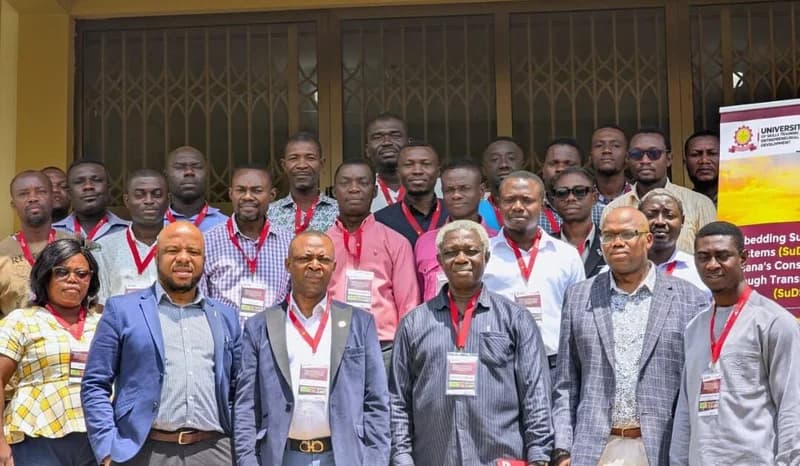
The University of Skills Training and Entrepreneurial Development (USTED) has launched an initiative to integrate Sustainable Urban Drainage Systems (SuDS) into Ghana’s construction and engineering curricula. Led by Professor Isaac Boateng, the project aims to equip the next generation of engineers with the technical skills necessary to manage urban flooding and stormwater more effectively. By modernizing educational frameworks, the university seeks to move beyond traditional drainage methods that have proven insufficient against the country's evolving environmental challenges.
The project is a collaborative effort between USTED and Edinburgh Napier University in the United Kingdom. It focuses on training local academics and developing comprehensive teaching resources that reflect international best practices in sustainable drainage. Professor Boateng emphasized that Ghana’s rapid urban development and increasing instances of extreme rainfall necessitate a shift in how drainage infrastructure is designed and implemented. Current educational models often rely on outdated curricula and limited resources, which have historically favored conventional, less resilient methods.
To facilitate this transition, a four-day workshop has been organized to bring together experts, educators, and industry stakeholders. This forum will serve as a platform to discuss the practicalities of sustainable drainage education and how to overcome institutional resistance to new engineering paradigms. By fostering a dialogue between academia and the construction industry, the project aims to ensure that future professionals are capable of designing infrastructure that balances urban growth with environmental sustainability.
Ultimately, the integration of SuDS into the national curriculum is expected to have long-term benefits for Ghana’s urban resilience. As climate change continues to intensify rainfall patterns, the ability of engineers to implement nature-based solutions and permeable infrastructure will be critical in reducing property damage and economic loss. This educational reform marks a significant step toward aligning Ghana’s engineering standards with global sustainability goals.
