••
Torgbiga Wenya III Challenges Awoamefia Torgbi Sri III Over Proposal to Create 36 New Paramountcies in Anlo State
•2 min read•1 source
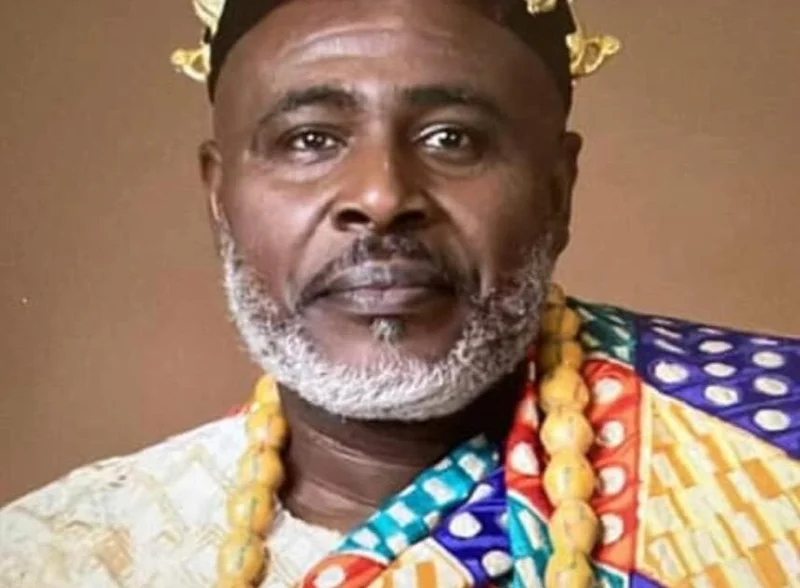
Torgbiga Wenya III, the Dutor of the Anlo Dukor, has formally declared his opposition to a proposal by the Awoamefia, Torgbi Sri III, to elevate 36 settlements within the Anlo State to the status of Paramountcies. This move has sparked a significant rift within the traditional leadership of the Anlo Kingdom, with Wenya III asserting that such a reorganization would fundamentally undermine the established traditional authority and governance structures that have existed for generations. He warned that the proposal, if implemented, could lead to widespread disruption and instability across the kingdom.
In a communique supported by the Council of Elders of the Loafe Clan, Torgbiga Wenya III challenged the legal and customary basis of the elevation plan. He argued that the Awoamefia lacks the unilateral authority to elevate chiefs to paramount status, noting that many of the designated settlements and their chiefs already operate under existing, recognized paramountcies. According to the Dutor, the move lacks legitimacy and disregards the historical hierarchy of the Anlo State, threatening to create a fragmented leadership structure that would be difficult to manage.
A central point of the dispute involves the current state of the Awoamefia’s health. Torgbiga Wenya III has publicly accused the Awoamefia’s aides and handlers of exploiting the leader's declining health to advance their own interests. The statement suggests that these associates are manipulating traditional processes to push the elevation agenda for private gain. Consequently, Wenya III has directed that all plans for the new Paramountcies be halted immediately to prevent further division within the state.
To address the current leadership challenges, Torgbiga Wenya III has recommended the appointment of a Regent to exercise the Awoamefia’s powers temporarily while he focuses on his health. The Dutor has threatened to withdraw his customary authority if the elevation proceedings continue, a move that would represent a major fracture in the kingdom's administration. As the Anlo people monitor the situation, the conflict highlights the growing tension between traditional protocols and modern administrative changes within Ghana's traditional leadership systems.