••
Public Health Alarms Raised in West Africa Amid Flooding and Hazardous Waste Management Crises
•3 min read•3 sources
Public health concerns are mounting across the West African sub-region as residents and healthcare providers grapple with the dual threats of infrastructure failure and poor sanitation practices. From the Volta Region in Ghana to Kano State in Nigeria, communities are facing significant risks ranging from the physical disruption of medical services due to climate-induced flooding to the deliberate mishandling of hazardous human waste. These incidents highlight a critical need for enhanced environmental regulation and more resilient health infrastructure to protect vulnerable populations.
In Ghana's Volta Region, the Mafi Sasekpe Health Centre in the Central Tongu District has seen its operations severely crippled by flooding following persistent heavy rainfall. As a vital medical hub serving over nine surrounding communities, the facility's current state of inaccessibility poses a dire threat to healthcare delivery for thousands of residents. The flooding has not only hindered patients from reaching the center but has also restricted staff movements, raising urgent questions about the readiness of rural health facilities to withstand increasingly volatile weather patterns.
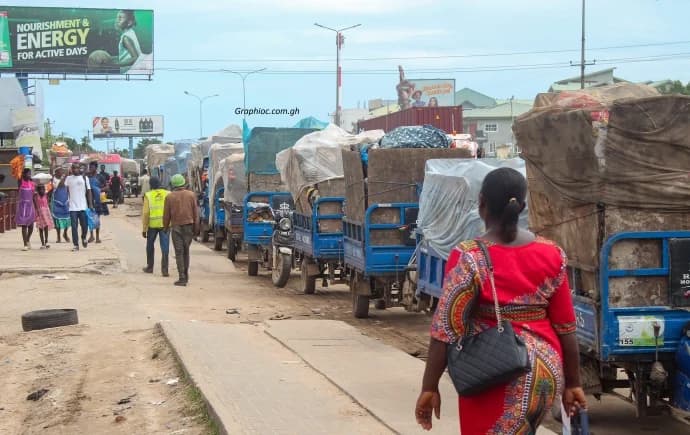
Simultaneously, residents in the Weija Gbawe Municipality of the Greater Accra Region are protesting against illegal waste dumping at the Mendskrom and McCarthy Hill areas. Community leaders report that the misuse of the local Ramsar site as a refuse dump is creating breeding grounds for disease-carrying pests and obstructing natural drainage pathways. This environmental degradation is exacerbated by rain, which intensifies unpleasant odors and threatens local industries like salt production. Despite repeated calls for the relocation of waste disposal sites to protect the ecological balance of the wetlands, local authorities have yet to provide a definitive response to these health and economic risks.
The regional sanitation crisis took a more extreme turn in Kano, Nigeria, where the legal system intervened to stop a major public health hazard. A local man, Mohammed Saidu, was sentenced to two weeks in prison and fined for storing bags of human feces outside his residence. Saidu, who works emptying septic tanks, reportedly intended to sell the waste as fertilizer, causing significant distress and health risks to his neighbors. The court's ruling underscores the growing intolerance for sanitation violations that endanger public safety, echoing the frustrations of Ghanaian residents fighting similar environmental battles.
Together, these cases illustrate a broader struggle to maintain public health standards in the face of urban sprawl and environmental neglect. Whether through the natural force of floods or the human-led mismanagement of waste, the resulting health risks require immediate intervention from both local governments and environmental regulators. Moving forward, the focus must shift toward proactive infrastructure maintenance and the strict enforcement of sanitation laws to prevent localized health crises from evolving into widespread epidemics.
This story touches markets covered on Anansi Intelligence ↗.
More from health
Continue exploring similar stories


