••
Western Region Reports Fatal Rabies Outbreak as Health Committee Warns Against Risks of Skin Bleaching
•2 min read•2 sources
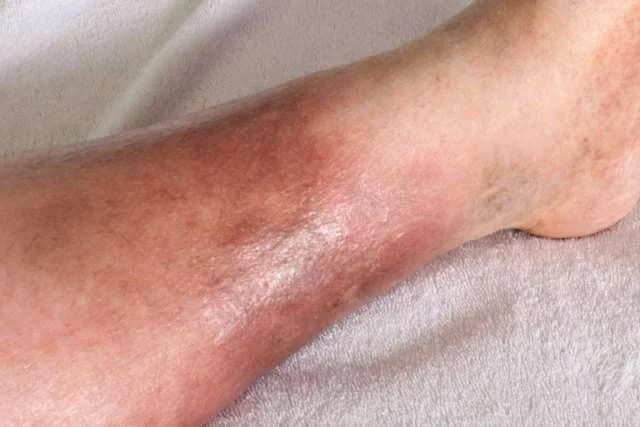
Health authorities in Ghana are currently addressing two major public health concerns: a fatal rabies outbreak in the Western Region and the escalating health risks associated with skin bleaching. The Western Regional Directorate of the Veterinary Services has confirmed three rabies-related deaths in the first half of 2026, stemming from dog bites where pet owners failed to comply with vaccination protocols. These fatalities occurred in the Wassa East District, which recorded two deaths, and the Jomoro Municipality, which recorded one. Dr. Simon Gbene of the Veterinary Services highlighted the urgent need for pet vaccinations and warned that non-compliance could lead to penalties. He emphasized that rabies remains a global threat and urged victims of dog bites to seek immediate medical attention while calling on local assemblies to support the costs of mass vaccination campaigns.
In a separate health advisory, Dr. Thomas Anaba, the Member of Parliament for Garu and a member of the Health Committee, has spoken out against skin bleaching, describing the practice as "self-induced albinism." During an address marking International Albinism Awareness Day, Dr. Anaba explained that those who use bleaching products are artificially inducing a condition similar to albinism, which significantly increases the risk of chronic skin diseases and cancer. He urged for more robust public education to warn citizens about the dangers of skin depigmentation and advised extreme caution when using cosmetic products that alter skin color. Dr. Anaba’s warning underscores a broader need for dermatological health awareness in the face of widespread bleaching practices across the country.
These combined health alerts highlight the critical role of preventive medicine and public education in safeguarding the nation. Whether it is through the mandatory vaccination of domestic animals to curb zoonotic diseases or through education on the toxic effects of bleaching chemicals, health officials are stressing that informed choices can prevent avoidable deaths and long-term illness. Moving forward, the Veterinary Services and health policymakers are calling for stronger community engagement and policy support to ensure that these health risks are effectively managed and that public safety remains a top priority across all regions.
This story touches markets covered on Anansi Intelligence ↗.
More from health
Continue exploring similar stories


