••
World Food Programme Warns of Worst Hunger Crisis in Northern Nigeria in a Decade as Millions Face Starvation
•2 min read•1 source
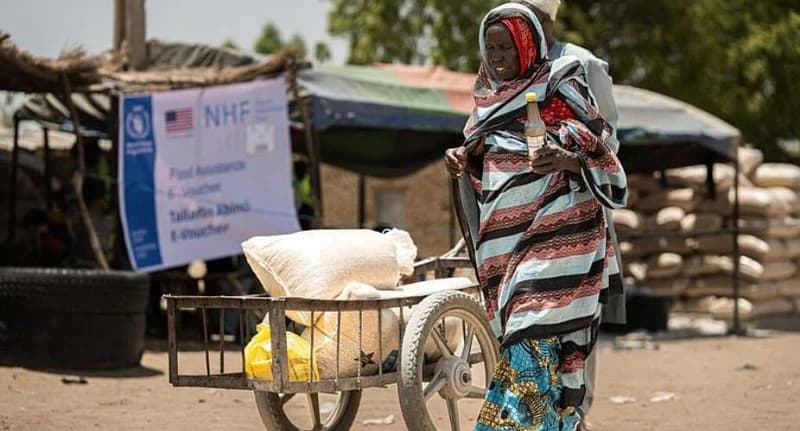
The World Food Programme (WFP) has raised an urgent alarm over the deteriorating food security situation in northern Nigeria, noting that hunger levels have reached their most severe point in nearly a decade. Recent projections indicate a staggering increase of almost two million people facing acute food shortages compared to previous estimates. This escalating crisis is primarily driven by protracted Islamist insurgencies and the activities of various armed groups, which have destabilized the region and dismantled the local food systems that millions rely on for survival. Borno State remains at the epicenter of this humanitarian catastrophe, with over three million people identified as being in urgent need of food assistance. The persistent violence has created a climate of fear that prevents rural communities from accessing their farmlands, effectively cutting off their primary source of livelihood. This lack of security and food has forced a growing number of Nigerians to abandon their homes, with some seeking refuge and basic sustenance in neighboring countries like Benin. The disruption of agricultural cycles suggests that without immediate intervention, the cycle of dependency and starvation will only intensify. Despite the growing need, the WFP's ability to respond has been severely constrained. The agency currently supports fewer than half the number of people it was able to reach just one year ago, highlighting a critical gap between humanitarian requirements and available resources. To maintain its life-saving operations over the next six months, the WFP is urgently appealing for $89 million in funding. Without these resources, the agency warns that it will be forced to make difficult decisions regarding who receives aid, potentially leaving millions of vulnerable individuals without the support they need to survive the coming months. The situation in northern Nigeria serves as a stark reminder of the intersection between conflict and food insecurity. As the international community and regional stakeholders grapple with these challenges, the focus must remain on both immediate relief and long-term stabilization. Restoring security is essential for allowing displaced populations to return to their lands and rebuild their agricultural sectors. However, in the immediate term, the global response to the WFP's funding call will be the deciding factor in preventing a full-scale famine and mitigating the regional impact of Nigeria’s worsening hunger crisis.