••
WHO Warns DRC Ebola Scale Far Exceeds Official Figures as Health Workers Threaten Strike Over Unpaid Wages
•2 min read•2 sources
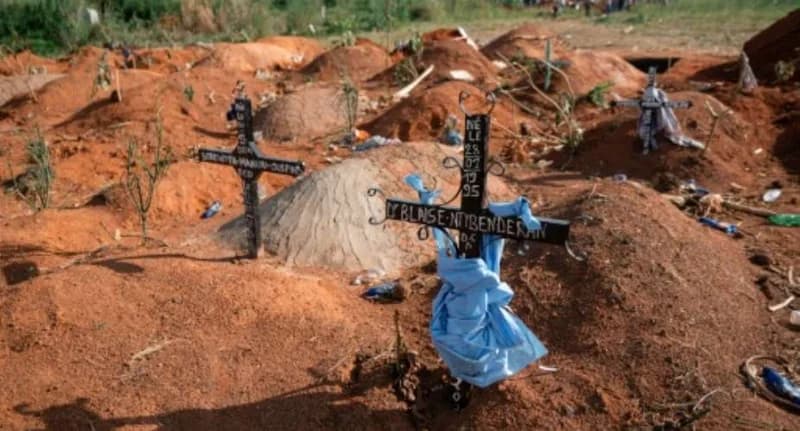
The World Health Organization (WHO) has issued a stark warning that the ongoing Ebola outbreak in the Democratic Republic of Congo (DRC) is likely far more severe than current data suggests. While official reports list nearly 2,000 infections and 700 deaths, the WHO’s statistical modelling indicates the true scale of the epidemic could be between two and four times larger. This alarming revelation comes at a critical juncture, as healthcare workers on the front lines in the Ituri province have begun threatening strike action over months of unpaid wages, potentially leaving the response efforts in a state of total collapse.
According to official figures recorded as of mid-July, the DRC has seen 1,960 confirmed infections and approximately 700 fatalities. However, the WHO’s assessment suggests that the actual number of cases could be significantly higher due to difficulties in tracking and reporting within conflict-affected zones. This data discrepancy points to a massive hidden outbreak that remains uncontained, complicating efforts to ring-fence the virus and prevent further transmission across the region. The uncertainty regarding the true magnitude of the crisis poses a severe challenge for international health agencies attempting to allocate resources effectively.
Compounding the public health crisis is a growing labor dispute involving the very individuals tasked with containing the virus. Health workers in the Ituri province have staged protests and issued warnings of a full-scale strike if their overdue salaries are not settled. These front-line responders are operating under immense pressure, with many having contracted the virus themselves due to the lack of adequate protective measures and a fragile healthcare infrastructure. The threat of a walkout highlights a systemic failure in the funding and management of the emergency response, where the lack of financial support for personnel now risks derailing clinical trials and essential care delivery.
As the DRC continues to battle one of the most complex Ebola outbreaks in its history, the convergence of underreported transmission and industrial action creates a volatile environment. Ongoing clinical trials for experimental treatments offer a glimmer of hope, but their success depends entirely on a stable and motivated workforce. Without immediate intervention to address the grievances of healthcare staff and a more aggressive approach to identifying hidden cases, the outbreak threatens to spiral further out of control, placing the entire regional health security at risk.
This story touches markets covered on Anansi Intelligence ↗.
More from health
Continue exploring similar stories


