••
WHO Chief Alerts Global Community as DRC Ebola Outbreak Becomes Deadliest on Record with Over 2,300 Fatalities
•2 min read•2 sources
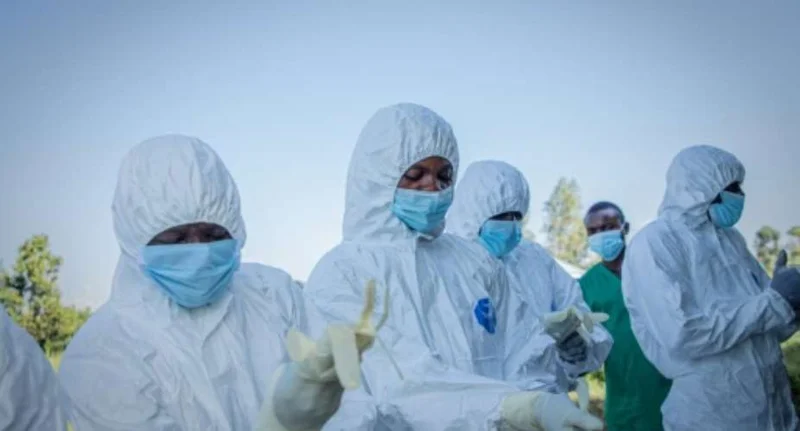
The World Health Organization (WHO) has issued a stark warning regarding the Ebola outbreak in the Democratic Republic of Congo (DRC), describing it as the fastest-growing and deadliest epidemic in the country’s history. Since being declared on May 15, the virus has claimed at least 2,325 lives out of nearly 5,000 confirmed cases. WHO Director-General Tedros Adhanom Ghebreyesus emphasized that the situation remains "far from being under control," as the current trajectory of the epidemic surpasses all previous outbreaks in the region in terms of both speed and scale.
The current crisis is primarily driven by the Bundibugyo strain, a variant of the virus for which there are currently no approved vaccines or treatments. The Ituri province has emerged as the epicenter of the crisis, accounting for 85% of all reported cases. Health authorities and the United Nations have expressed deep concern over the rapid spread, noting that treatment capacity is reaching a breaking point. Many isolation centers are operating at full capacity, and essential medical supplies are reportedly running low as frontline workers struggle to keep pace with new infections.
Beyond the medical challenges, the response is being severely hampered by regional insecurity and deep-seated community mistrust. Many fatalities are occurring outside of formal healthcare facilities, a trend attributed to fear of treatment centers and general skepticism toward health interventions. This mistrust, combined with staff shortages and the constant threat of violence in affected areas, has made it increasingly difficult for response teams to track transmission chains effectively. The WHO currently assesses the risk of both national and international spread as "high," urging a more robust local and global response to contain the pathogen.
Despite the grim outlook, efforts to find a medical solution are intensifying. Clinical trials for experimental vaccines and treatments are currently ongoing in the region, offering a glimmer of hope for future containment strategies. However, health experts maintain that until these tools are validated and deployed, the focus must remain on improving health infrastructure and rebuilding community trust. The international community is being called upon to provide the necessary resources and support to prevent the epidemic from crossing borders and causing further devastation across the African continent.
This story touches markets covered on Anansi Intelligence ↗.
More from health
Continue exploring similar stories


