••
UNAIDS Executive Director Winnie Byanyima Urges African Nations to Increase Domestic Health Financing to Secure Gains Against HIV
•2 min read•1 source
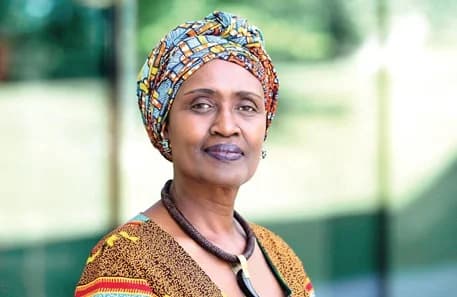
Winnie Byanyima, the Executive Director of UNAIDS, has issued a powerful call to action for African nations to significantly increase domestic health financing to sustain the continent's fight against HIV/AIDS. Speaking at the Extraordinary Session of the African Union (AU) Assembly on Health in Accra, Byanyima emphasized that while Africa has made substantial progress in reducing new infections, these gains are increasingly fragile. She warned that a combination of dwindling external donor support and mounting national debt burdens across the continent poses a severe risk to the long-term goal of ending the AIDS epidemic.
The UNAIDS chief highlighted the urgency of aligning national budgets with the UN Political Declaration on HIV/AIDS, which sets a target to end the public health threat of AIDS by 2030. Byanyima noted that relying on international aid is no longer a sustainable strategy for Africa's health security in an era of global economic shifts. Instead, she urged governments to prioritize local health investments and enhance their internal research and manufacturing capacities to ensure a steady supply of essential medicines and diagnostic tools.
During her address, Byanyima specifically lauded Ghana’s decision to remove the financing cap on the National Health Insurance Fund, describing it as a benchmark for other nations to follow in ensuring sustainable health resource allocation. This move is seen as a vital step in maintaining the momentum of health service delivery without total reliance on fluctuating external budgets. She advocated for similar fiscal reforms across the continent to create more resilient health systems capable of weathering economic shocks.
Beyond financial structures, Byanyima stressed that the success of the HIV response requires a frontal assault on the social and systemic inequalities that drive new infections. She argued that vulnerable populations often remain underserved due to deep-seated social disparities and limited access to essential services. To achieve the 2030 agenda, she concluded that African nations must not only bolster domestic resources but also ensure equitable distribution and confront the social barriers that prevent marginalized groups from accessing life-saving care.
This story touches markets covered on Anansi Intelligence ↗.
More from health
Continue exploring similar stories


