••
World Vision Ghana and UNFPA Assess Health Facility Preparedness for Maternal Care in Disaster-Prone Regions
•2 min read•5 sources
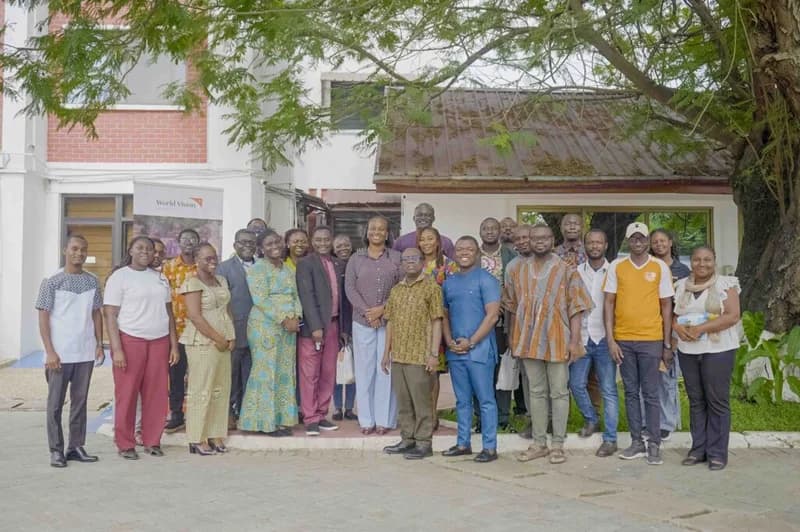
World Vision Ghana, in partnership with the United Nations Population Fund (UNFPA) and the Ministry of Health, has held a critical validation meeting to review the readiness of health facilities in disaster-prone areas across the country. The assessment focused on the capacity of these centers to maintain essential maternal, sexual, and reproductive health (SRH) services during emergencies. As Ghana faces an increase in climate-related disasters and health emergencies, this initiative seeks to ensure that the most vulnerable populations, particularly women and children, do not lose access to life-saving care when crises strike.
The comprehensive assessment scrutinized several vital pillars of healthcare delivery, including the availability of skilled personnel, the stock of essential medicines, and the robustness of infrastructure. A significant portion of the review was dedicated to evaluating existing emergency preparedness plans and the level of coordination between health facilities and disaster management agencies. Stakeholders emphasized the integration of the Minimum Initial Service Package (MISP) into emergency response frameworks, which is a global standard for reproductive health care in the early days of a crisis.
During the deliberations, participants highlighted that while general emergency response often focuses on food and shelter, the continuity of sexual and reproductive health services is frequently overlooked, leading to adverse health outcomes. By identifying gaps in current facility operations, the assessment provides a clear roadmap for targeted interventions. This includes ensuring that midwives and nurses are not only present but also equipped with the specific tools and medications required to handle obstetric emergencies during floods or other natural disasters.
The findings from this validation meeting are expected to play a pivotal role in shaping future national policies and resource allocation for the Ghana Health Service. By strengthening the resilience of the health system, the Ministry of Health and its partners aim to build a healthcare infrastructure that can withstand external shocks without compromising service quality. Moving forward, the focus will shift toward implementing these recommendations to guarantee that every health facility in a high-risk zone is adequately prepared to protect lives during future emergencies.
This story touches markets covered on Anansi Intelligence ↗.
More from health
Continue exploring similar stories


