••
World Vision Ghana and UNFPA Review Emergency Readiness of Health Facilities in Disaster-Prone Regions
•2 min read•5 sources
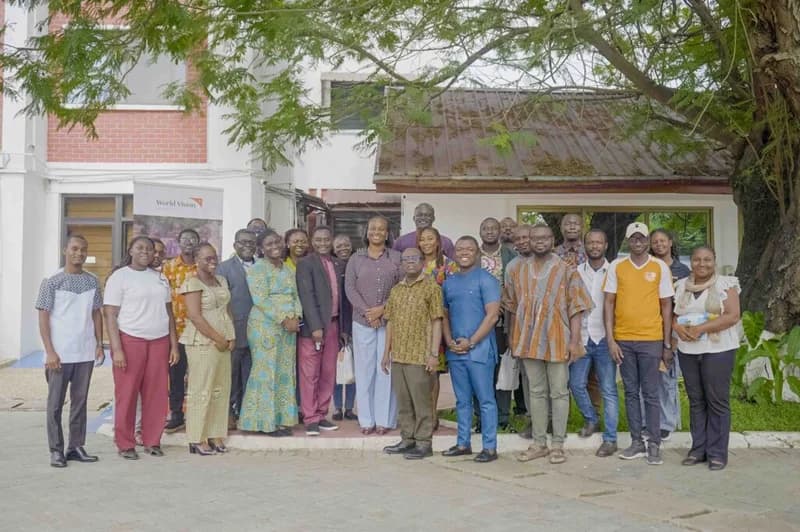
World Vision Ghana, in collaboration with the United Nations Population Fund (UNFPA) and the Ministry of Health, has convened a critical validation meeting to review the readiness of health facilities in disaster-prone areas across the country. The assessment focused on the capacity of these facilities to maintain essential maternal, sexual, and reproductive health (SRH) services during crises. This initiative comes as Ghana seeks to bolster its healthcare resilience against increasing climate-related disasters and health emergencies, ensuring that vulnerable populations remain protected when infrastructure is under strain.
The comprehensive assessment scrutinized several key pillars of healthcare delivery, including the availability of skilled personnel, the stock of essential medicines, and the robustness of existing emergency preparedness plans. Stakeholders also evaluated physical infrastructure and the coordination mechanisms between health centers and national disaster management agencies. By identifying gaps in these areas, the partners aim to ensure that life-saving services—such as emergency obstetric care and reproductive health support—are not interrupted when floods, droughts, or other disasters strike.
A central theme of the validation meeting was the integration of the Minimum Initial Service Package (MISP) for reproductive health into national emergency response frameworks. Participants emphasized that maintaining SRH services is not a secondary concern but a vital necessity to prevent adverse health outcomes, including maternal and neonatal mortality, during crises. The discussion highlighted the need for improved investment in healthcare infrastructure and better synchronization between the Ghana Health Service and local disaster response teams to create a more unified front against emergencies.
The findings from this assessment are expected to play a pivotal role in shaping future policy development and strategic resource allocation. By building more resilient health systems, Ghana aims to mitigate the risks faced by women and children who are often the most affected during environmental or health-related catastrophes. As the country continues to refine its disaster management protocols, the commitment from World Vision, UNFPA, and the Ministry of Health marks a significant step toward a healthcare system that remains functional and accessible, regardless of the challenges posed by disasters.
This story touches markets covered on Anansi Intelligence ↗.
More from health
Continue exploring similar stories


