••
President Zelenskyy Warns Ghana Against Russian Military Recruitment as Global Tensions Flare at UN
•2 min read•3 sources
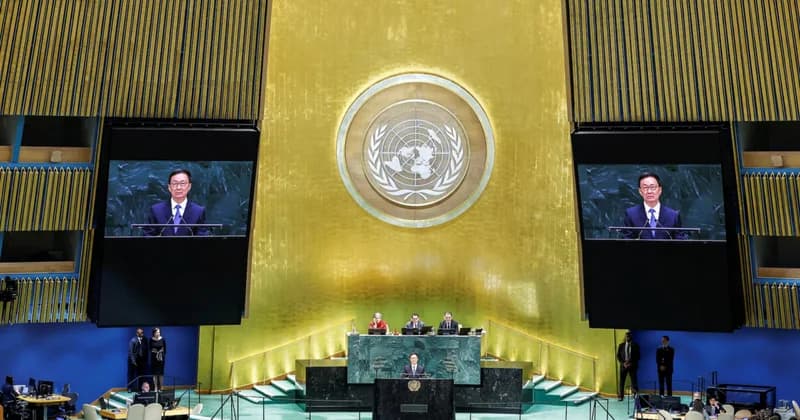
Ukrainian President Volodymyr Zelenskyy has issued a stark warning to Ghana and 46 other nations regarding the covert recruitment of their citizens by Russia for the ongoing conflict in Ukraine. Addressing the 81st United Nations General Assembly, Zelenskyy highlighted a growing recruitment crisis where foreign nationals are lured to Russia under false pretenses, only to be deployed to active frontlines. This warning comes as Ghana’s Foreign Affairs Minister, Samuel Okudzeto Ablakwa, confirmed the tragic loss of 62 Ghanaian lives in the conflict, with 15 additional citizens reported missing. The Ghanaian government is now taking active steps to dismantle these networks, asserting that Ghanaian youth should not be exploited or put at risk in foreign wars.
In response to these developments, Minister Ablakwa has engaged in high-level diplomatic discussions in Moscow to seek Russian cooperation in curbing these illicit recruitment efforts. The government is focused on protecting vulnerable populations from being deceived by networks that promise employment or education but lead to military deployment. This effort is part of a broader commitment by the administration of President John Mahama to ensure the safety of Ghanaians abroad and to maintain a clear stance on the non-involvement of its citizens in the Ukrainian conflict.
The General Assembly also served as a focal point for other pressing international security issues, including a formal condemnation by the UN Security Council of the Iran-backed Houthi militia’s attacks on Saudi Arabia. The Council warned that the Houthis’ intensified use of missile and drone strikes, along with their blockade of vessels in strategically vital areas like the Bab al-Mandab Strait, poses a significant threat to maritime security and global trade. These actions are seen as major obstacles to peace efforts in Yemen and have heightened regional instability across the Middle East.
Furthermore, the sessions at the UN highlighted deep geopolitical divisions among world powers. Chinese Vice President Han Zheng and Russian Foreign Minister Sergey Lavrov jointly criticized United States' policies toward Cuba and Iran, calling for the lifting of economic blockades. Han specifically urged the U.S. to respect the sovereignty of Gulf countries and highlighted the humanitarian impact of sanctions on Cuba’s electrical grid. These developments underscore a complex diplomatic landscape where nations like Ghana must navigate both internal security challenges and the shifting alliances of global powers.
Related topic
John Mahama: Latest News & Updates →

