••
AFRICOM Commander Urges African-Led Security Frameworks Amid Strategic U.S. Funding and Troop Withdrawals
•3 min read•3 sources
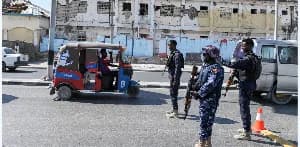
General Dagvin R.M. Anderson, Commander of U.S. Africa Command (AFRICOM), has called for African nations to take the primary lead in securing the continent's peace and stability. Speaking following the 2026 African Chiefs of Defense Conference in Luanda, Angola, Anderson emphasized that while the United States remains a committed strategic partner, lasting solutions to complex security threats must be homegrown and regionally driven. The conference, which brought together military leaders from 35 African nations, served as a critical platform to transition from merely discussing challenges to implementing practical, African-owned strategies that integrate defense efforts with broader economic development.
This push for regional ownership coincides with a significant shift in the U.S. military footprint across the continent. In West Africa, the U.S. has completed the withdrawal of most ground forces from Nigeria following a successful joint counterterrorism mission in the Lake Chad Basin. This operation notably eliminated a senior Islamic State leader and disrupted the group’s command structure. General Anderson confirmed that although ground troops have departed, the U.S. will maintain an advisory and intelligence-sharing role. Simultaneously, the African Union’s peacekeeping efforts in Somalia face a looming crisis; the U.S. has announced it will cease supporting the United Nations Support Office in Somalia (Unsos) after December 31, 2026. This withdrawal of logistical support—covering essential food, transport, and medical care—casts doubt on the future viability of the AU Support and Stabilisation Mission in Somalia (Aussom).
To navigate these transitions, AFRICOM is advocating for enhanced intelligence sharing and the adoption of affordable, commercially available technologies rather than high-cost military hardware. General Anderson highlighted recent successes where effective intelligence sharing led to significant drug interceptions, illustrating how regional cooperation can yield tangible results against organized crime and terrorism. He urged African nations to foster deeper trust between their security institutions and to involve African companies in developing home-grown technical solutions. These measures are designed to enhance defense capabilities and operational effectiveness without imposing the unsustainable financial strain often associated with international military procurement.
Ultimately, the AFRICOM commander underscored that sustainable peace is inextricably linked to economic opportunity. Addressing the root causes of instability requires a holistic approach where security strategies are aligned with regional economic initiatives to ensure long-term stability. As the U.S. pivots toward a support-based role focused on capacity-building and technology, the responsibility for maintaining momentum against insurgencies increasingly falls on African sovereign states. The success of future missions, particularly in the Horn of Africa and the Lake Chad Basin, will depend on the ability of regional blocs to translate military cooperation into durable peace and economic growth.


